Real Numbers. Real Lives Changed.
Operating since 2005 in one of Africa's most underserved humanitarian zones — with documented, measurable outcomes.
What We Have Achieved
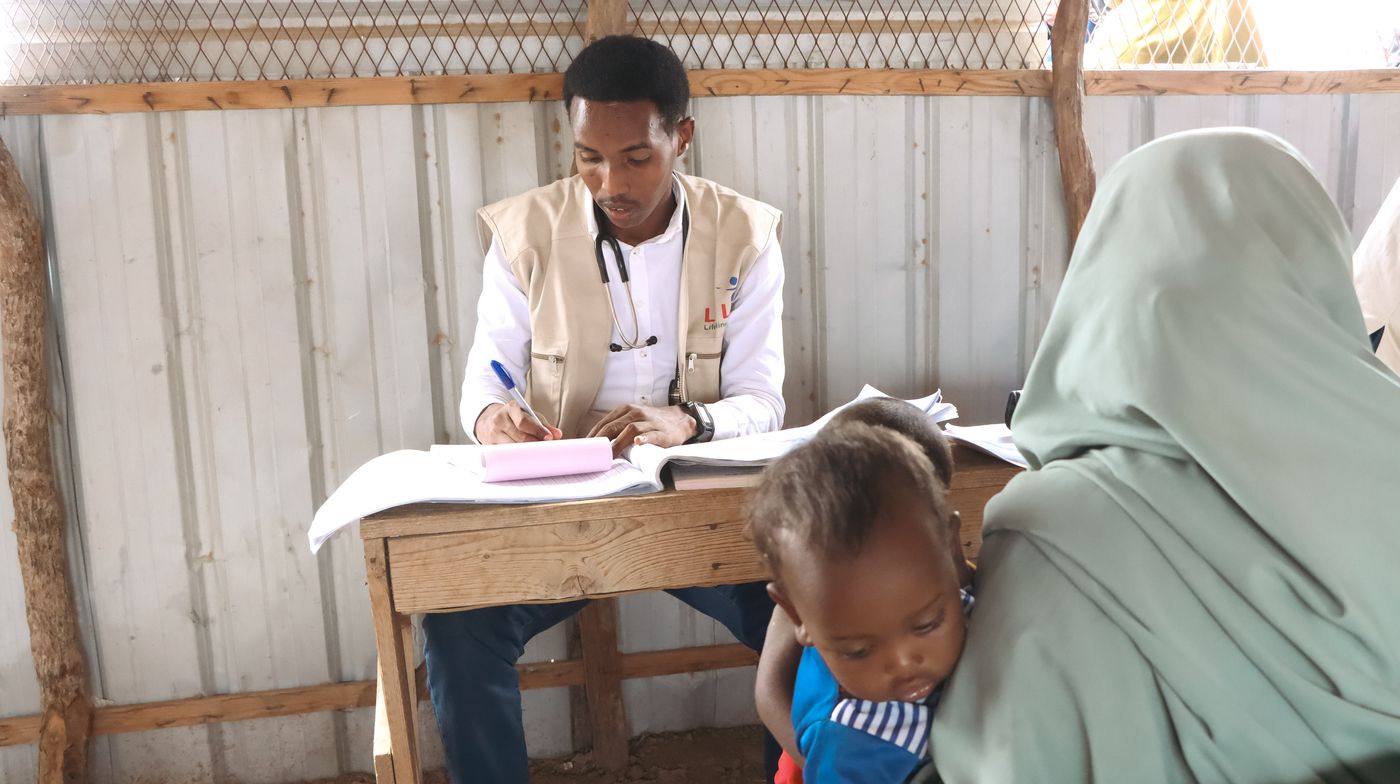
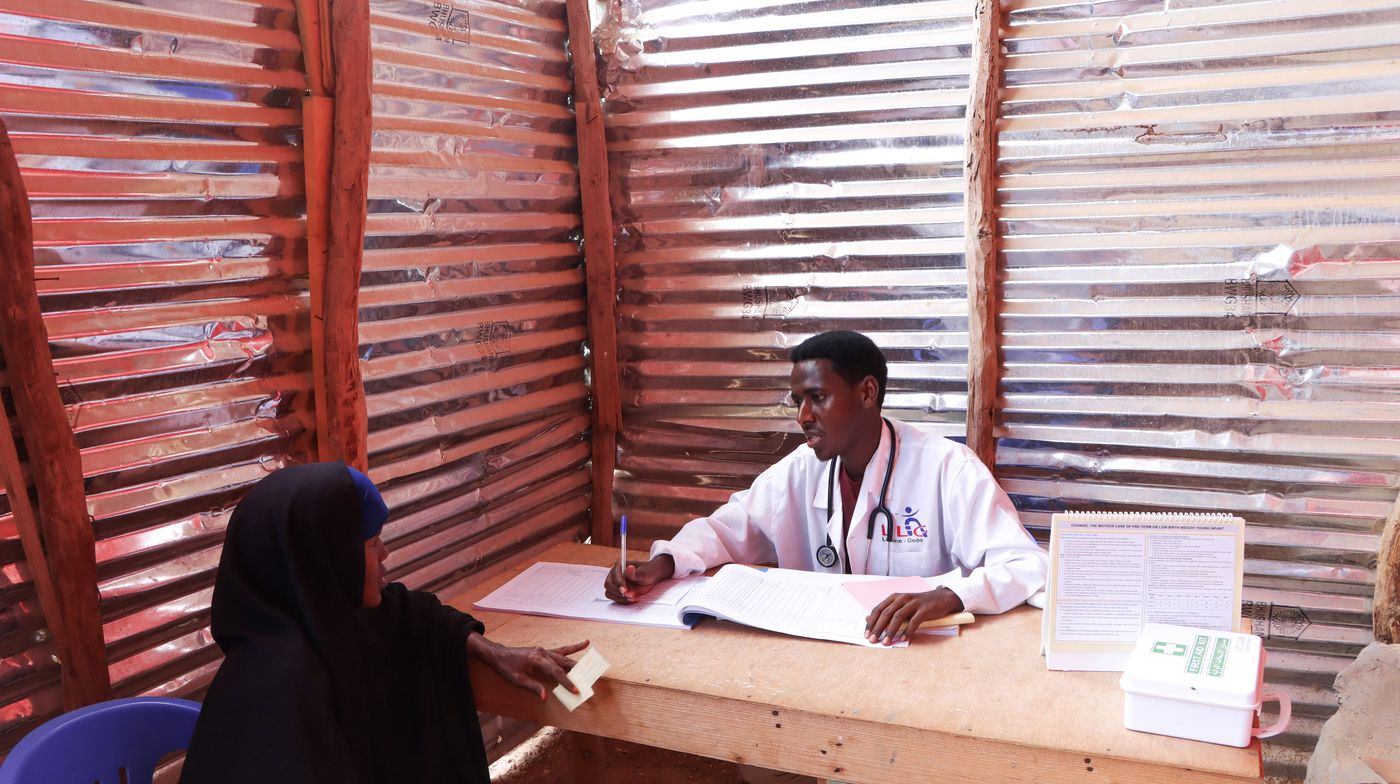
Health & Nutrition
- Over 50,000 children treated for severe acute malnutrition
- 18 health facilities rehabilitated and equipped
- Maternal mortality declined in target zones
- Disease outbreaks contained through immediate intervention
Food Security
- Emergency food assistance to 15,000+ families
- Agricultural support to 4,000 households
- Cash transfers benefiting 8,000+ families
- Livestock restocking for 1,200 pastoralist households
Water, Sanitation & Hygiene
- 45 boreholes restored throughout Gedo
- Clean water access for 120,000+ residents
- 12,000 latrines built in schools and communities
- Waterborne illness reduced by 60% in served areas
Resilience
- 2,400 women in savings and loan groups
- 1,800 households with diversified income streams
- Disaster risk training in 60 villages
- Durable solutions for 3,000 internally displaced people
Growing Food Without Soil
In a region where drought has made conventional farming unreliable, hydroponics lets communities grow fodder and vegetables using a fraction of the water traditional cultivation needs. This short film follows the project on the ground in Gedo.
Produced by Lifeline Gedo. The hydroponics programme is funded directly by GIZ, the German development agency, and has run since 2025 as an innovation project within our food security and livelihoods work. More about this project. See all eight films from the field →
Our Programme Impact, Documented
Full impact reports on our major programmes — the results achieved, the evidence behind them, and what the findings mean for what comes next.
Rural Livelihood and Resilience Programme — Food Systems Component
Seven registered farmer cooperatives across Bardhere District worked with us through a full cycle of cooperative strengthening — governance and financial management, post-harvest handling, marketing and enterprise development, a farmer–buyer linkage meeting, and the most detailed market assessment we have produced to date. Every core target was met in full, and the market assessment exceeded its planned scope.
- Bardhere's markets can support cash-based programming. Across 48 assessments in five market clusters, no market fell into the low-functionality band. Competition, assortment and quality all scored strongly.
- Market services are the binding constraint. The services domain scored just 41.7% of maximum district-wide. Mobile money is near-universal, but formal credit, storage and processing are effectively absent — storage was available in only 8% of assessed markets.
- Roads, not insecurity, are the barrier. Poor road access was cited in 36 of 48 assessments, with fuel cost and transport shortage close behind. No assessment reported insecurity, harassment or discrimination, and 46% reported no access barrier at all.
- Sequencing governance first worked. Governance and financial management training was delivered before any market-facing activity, so cooperatives had transparent decision-making and financial controls in place first.
- Forty Lead Farmers were trained as community facilitators, creating a farmer-to-farmer extension mechanism that continues beyond the implementation period.
- Knowledge without means has limited effect. Farmers finished knowing how to store grain hermetically and which drought-tolerant varieties to prefer — without the seed, tools or storage to apply it. The report's recommendations address exactly that gap.
Owned and funded by the International Fund for Agricultural Development (IFAD), delivered in partnership with the World Food Programme (WFP), and implemented by Lifeline Gedo. Carried out with the guidance and support of the Ministry of Agriculture of the Federal Government of Somalia and the Ministry of Agriculture of Jubaland State. Target locations: Nebsoy, Sarinley, Bula Ceesaan, Bandar, Mardha, Baldul Amiin and Shimbirolle.
The People Behind the Numbers
Every figure on this page is made of households like these. Each story was recorded in the village where it happened, in the person's own words, by the Lifeline Gedo field teams who work there. Select any story to read it in full.
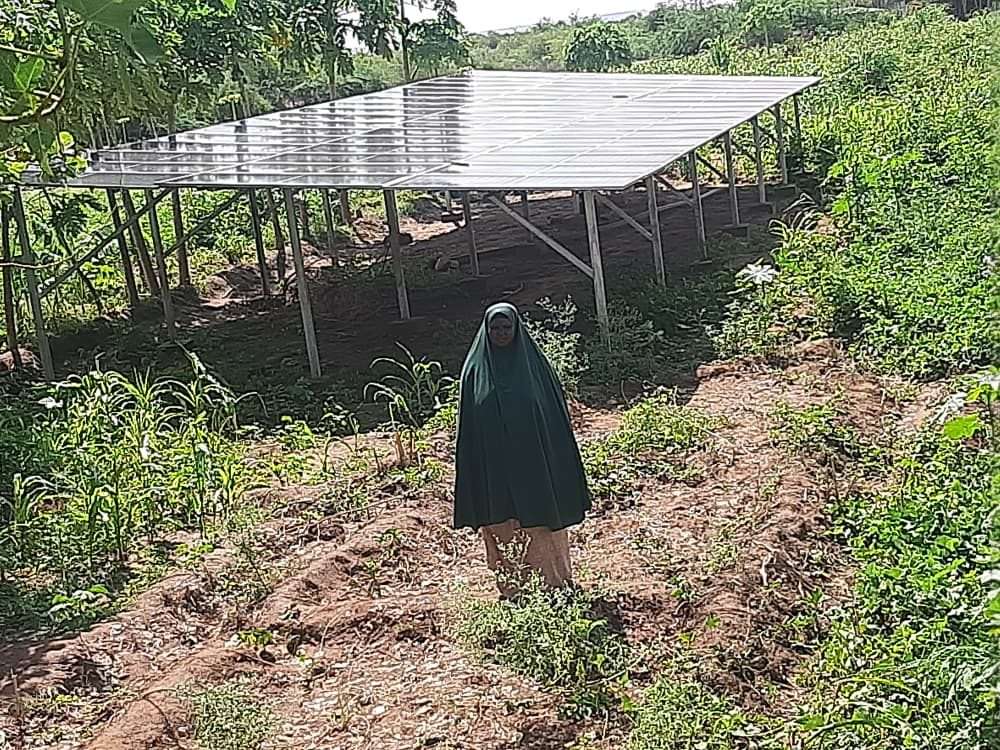 Solar irrigation · Concern WorldwideWater, Light and HopeFuel costs once decided whether her crops lived. Now the sun does the pumping.Hawa · Bantaal village, Gedo
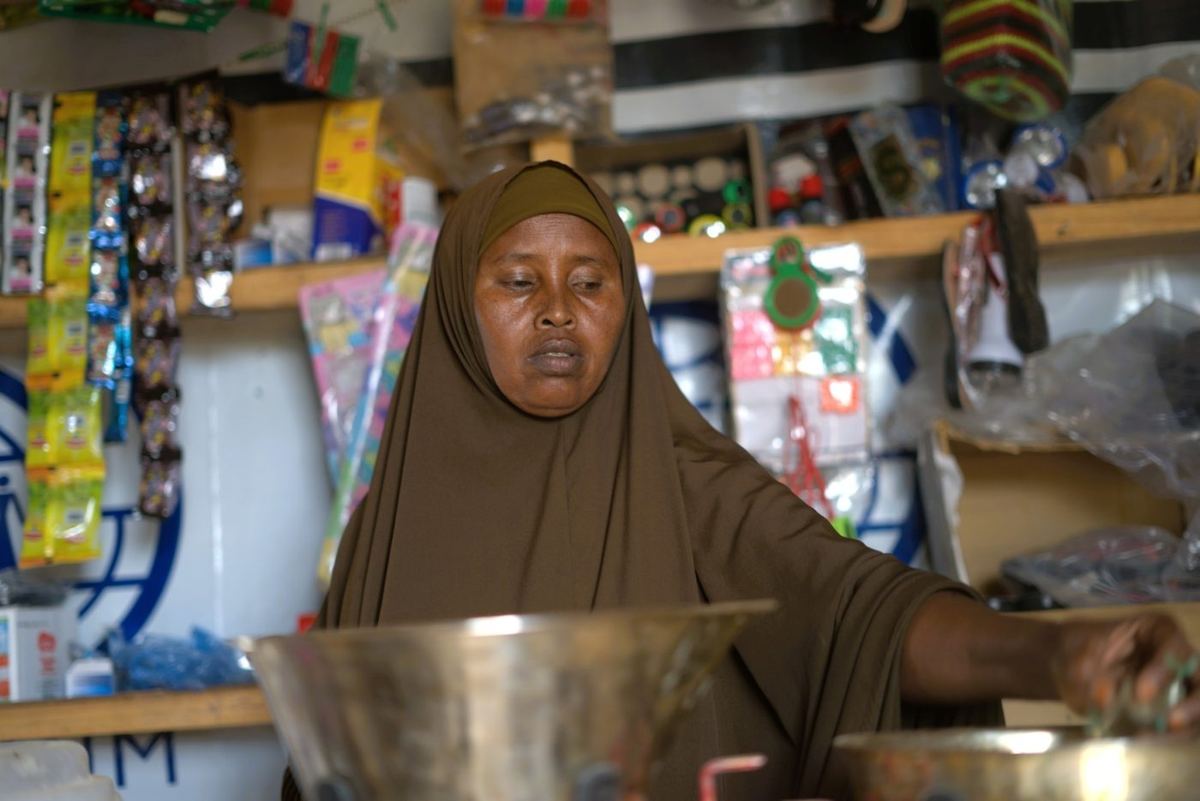 BRCiS III · FCDOFrom Despair to HopeA mother of six who once chose which child ate. Today she chairs her savings group.Fatuma Ibrahim Noor, 38 · Shimbirole East, Bardhere
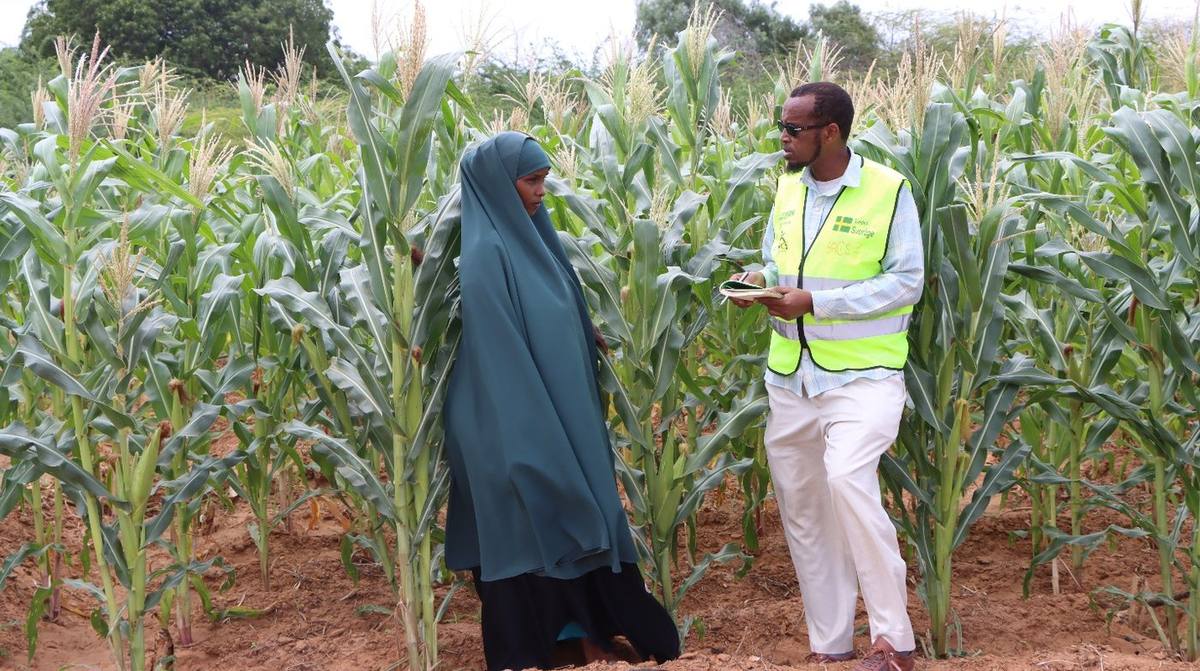 TERRA · BRCiS IIIFrom Loss to RegenerationDisplaced with six children and no land of her own — a relative lent her a plot, and the training did the rest.Binta Hared Dayyib · Horseed IDP site, Bardhere
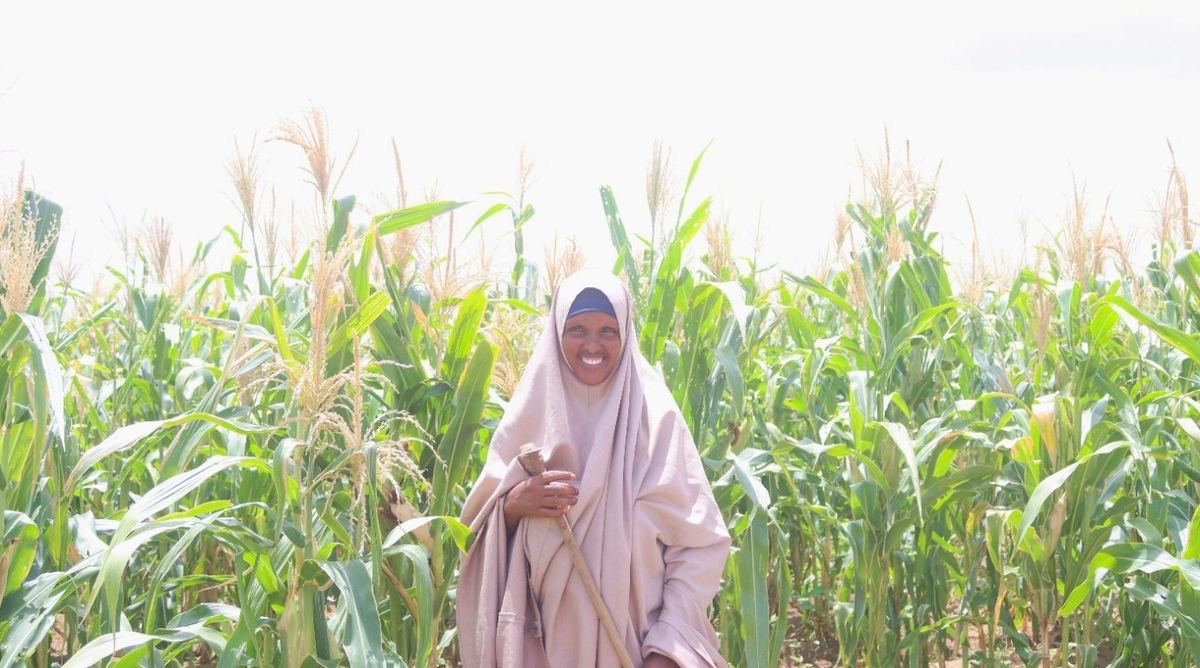 BRCiS IIIFrom Loss to ResiliencePastoralists who lost every animal to drought. Farming was a language she had to learn.Hawa Abdiladif Adan, 37 · Shimbirole East, Bardhere
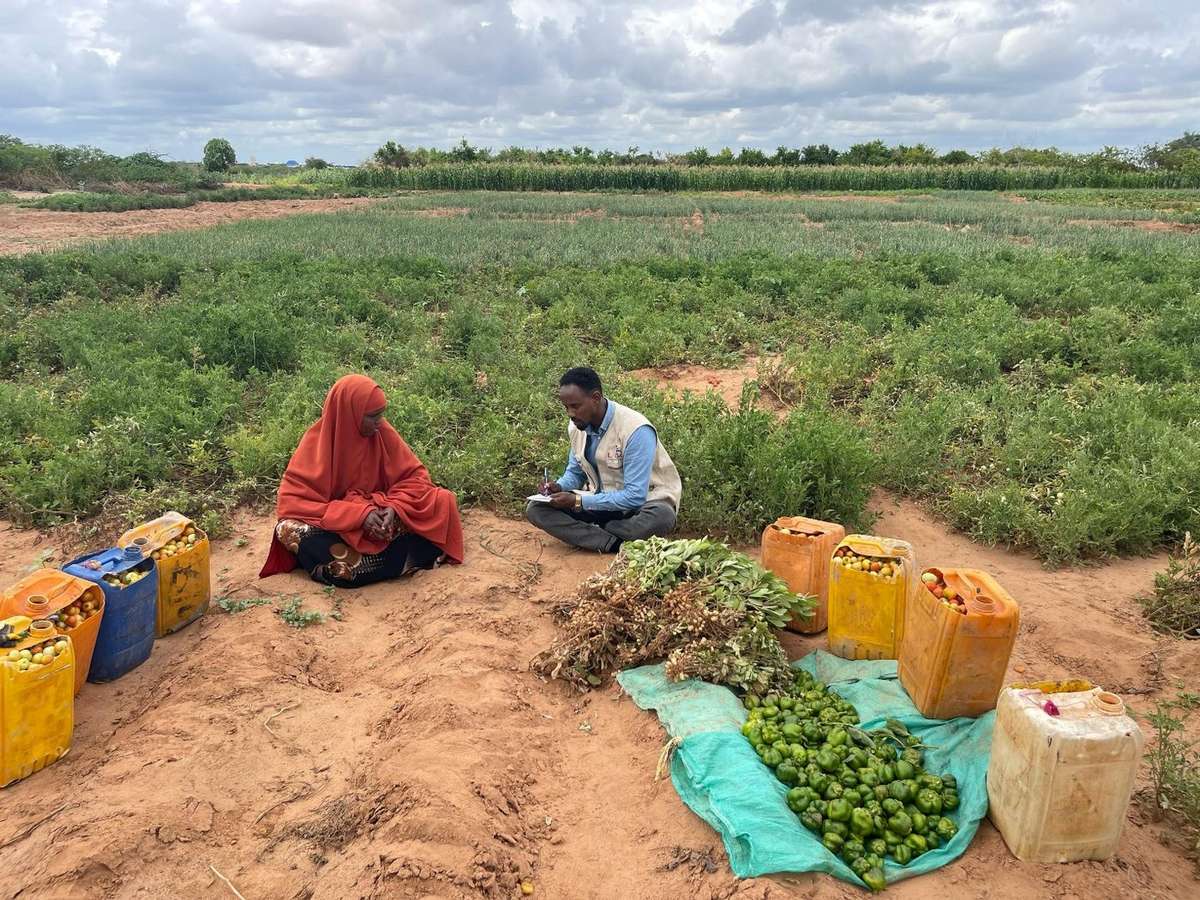 BRCiS III · FCDORebuilding a Farm the Floods BuriedTwo hectares buried under flood debris. She was one of ten women who brought the land back.Fatuma Abdullahi Abdirahman, 37 · Bandar, Bardhere
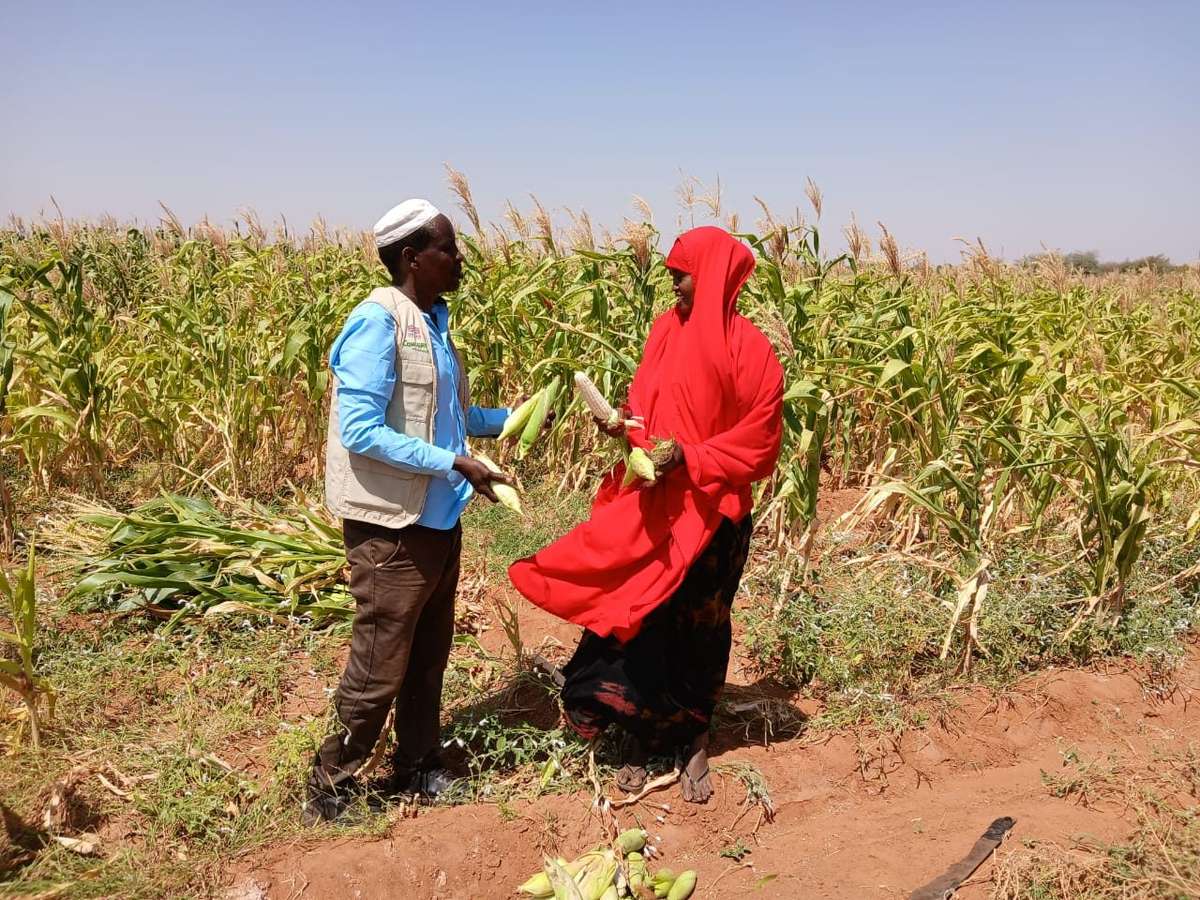 BRCiS III · Farmer Field SchoolA Farmer AgainSeven children, no harvest, no herd. The Farmer Field School gave her back a season.Abdiyo Hussein Muse, 32 · Oda, Belet Xaawo
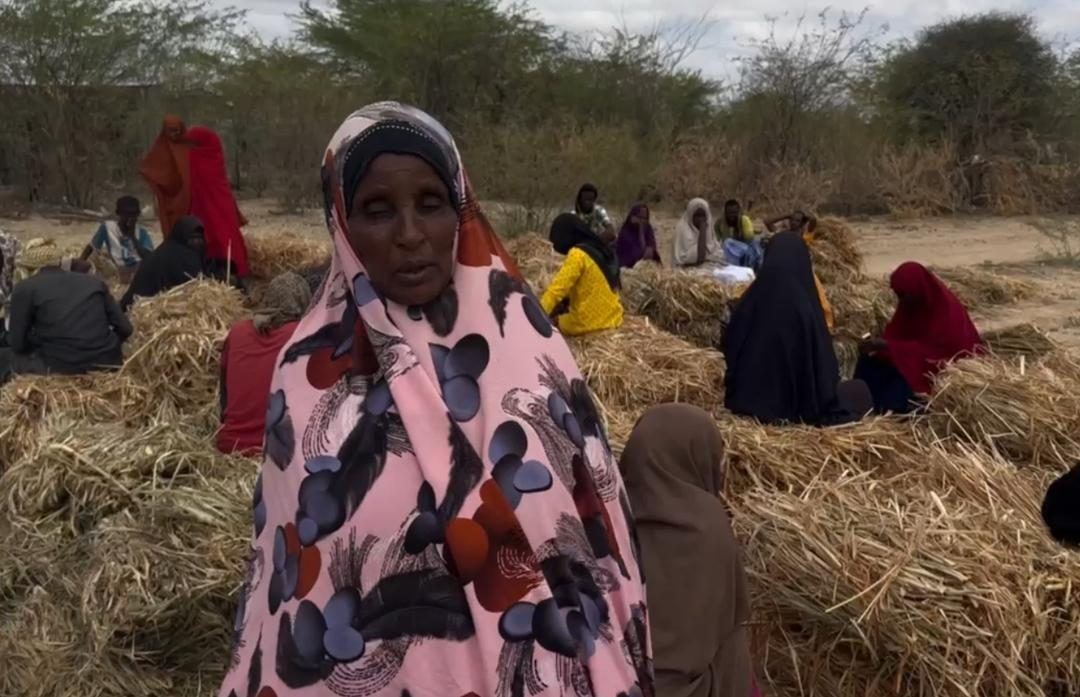 BRCiS III · Fodder supportFour Bales, and a Herd That HeldEighteen local farmers grew the fodder. Four hundred and fifty households received it.Tamima Adan Abdirahman, 67 · Bulacadey, Bardhere
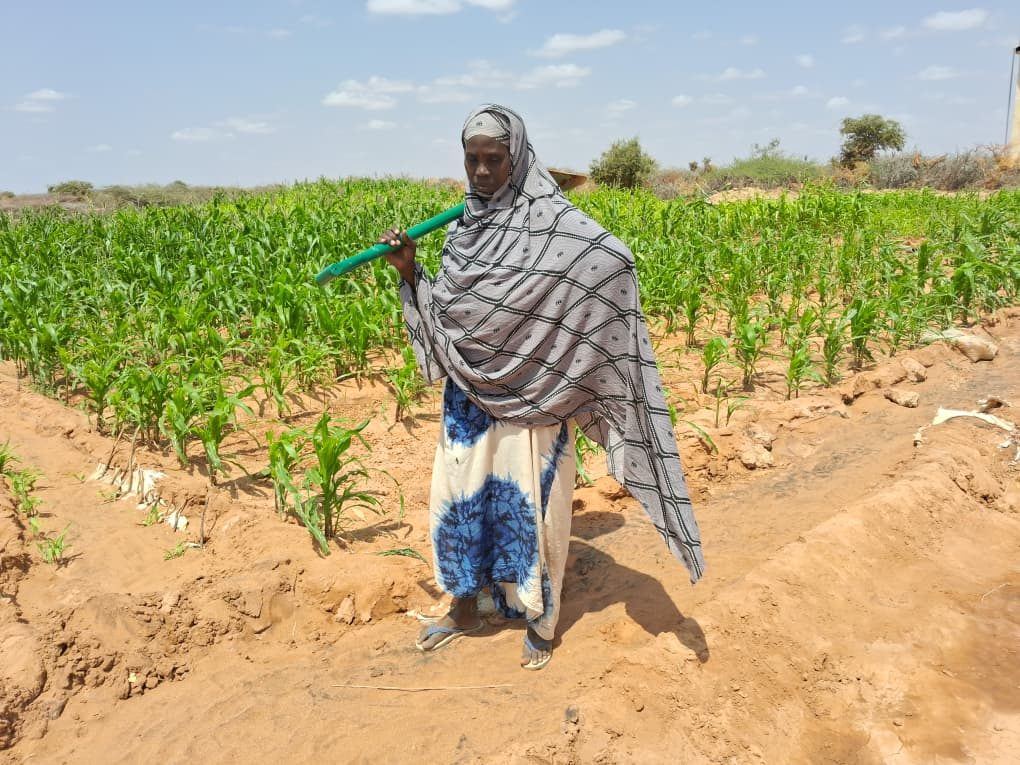 Permagardening · Irish AidSeeds of StrengthA Mother-to-Mother group, a water treatment unit, and eight crops on a small plot.Maama Maryan Mohamud, 35 · Bula Qalooc, Dollow
Reports & Publications
We publicly disclose the field evidence behind our programming. Download our latest assessments below, or browse the full library with summaries and key findings.
Your Support Makes This Possible
Every number above represents a life changed by a donor like you.