From Loss to Regeneration
Drought and floods took twenty-five cows and forty-eight goats. In a crowded displacement site outside Bardhere, Binta learned to farm land that was not hers.
Binta Hared DayyibHorseed IDP site, BardhereJune 2025
Binta Hared Dayyib once lived a settled life in Bula-Jafey, a village fifteen kilometres from Bardhere. Her family kept twenty-five cows and forty-eight goats and sheep — enough to feed six children and send them to madrasa.
“We had everything we needed back then. I could feed my children and send them to madrasa.”
Binta Hared Dayyib
Then years of recurring drought, followed by destructive floods, wiped out the herd, dried the water sources and left the land barren. “We watched everything disappear with the changing weather. First came the drought, then floods. We were left with nothing.”
With no means of survival and her husband dead years earlier, Binta left home with her six children. Her eldest son, only fifteen, became her greatest support on the journey. In January 2024 the family settled at Horseed, one of Bardhere's most overcrowded and underserved displacement sites.
“Coming here was like starting life from zero. We had no land, no food, and no help. I was scared for my children.”
Binta Hared Dayyib
A borrowed plot
In July 2024, TERRA — Towards Regenerative Resilience and Climate Adaptation for Displacement-Affected Communities in Somalia, funded through BRCiS and implemented by Concern Worldwide with Lifeline Gedo — began work at Horseed. Its purpose was to raise food security and climate resilience among displaced families through regenerative agriculture, skills and community engagement.
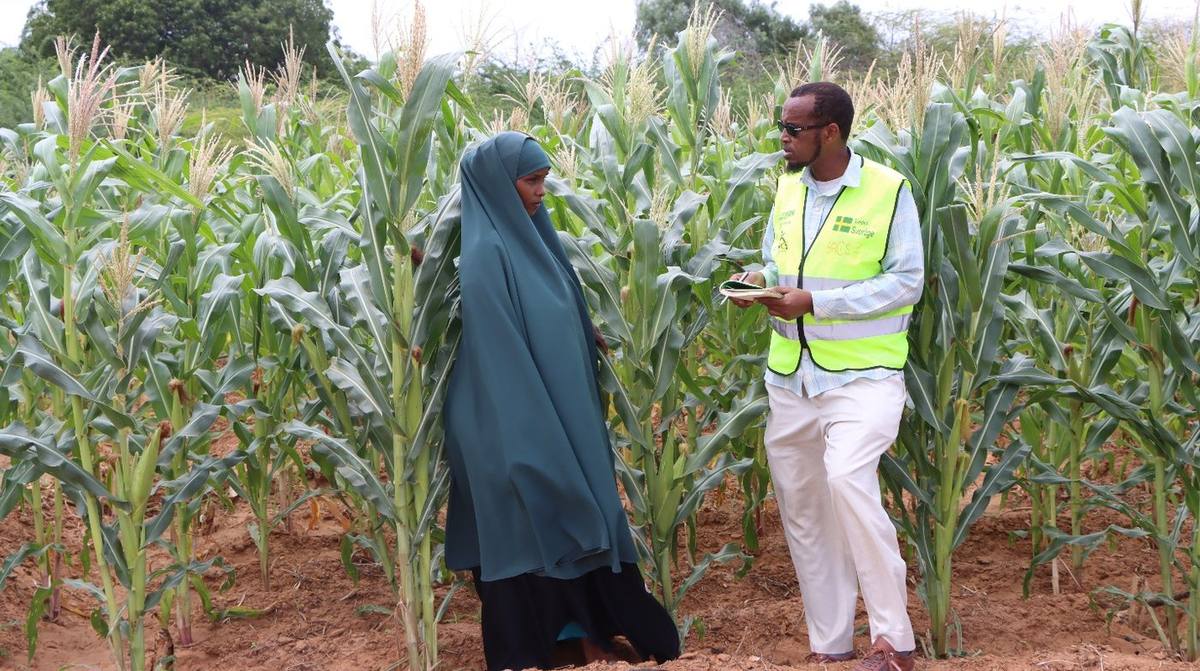
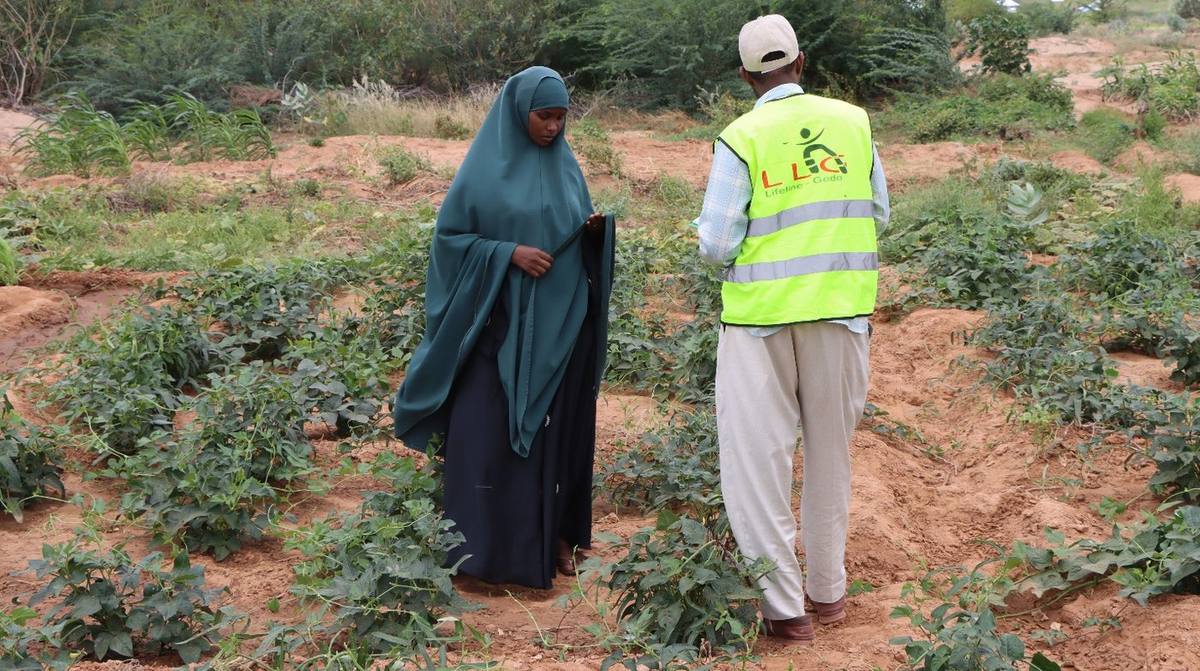
Binta was one of 150 women selected for permagarden training, a component designed specifically to help displaced people grow food on limited or borrowed land.
“I didn't have any land of my own, but a distant relative gave me a piece of land to farm on. That was a turning point.”
Binta Hared Dayyib
She received onion, maize and cowpea seed, farming tools, tractor hours and fuel for irrigation. Alongside the inputs came sustainable farming techniques built on resilience design, aimed at maximising production in difficult conditions.
“They taught us how to make compost, how to plant efficiently, and how to care for the soil. It reminded me of my old life, but even better.”
Binta Hared Dayyib
From beneficiary to teacher
Binta also joined a Mother-to-Mother Support Group, where she learned about child nutrition and hygiene. “Before, I didn't know the difference between a balanced and unbalanced meal. Now I can teach other mothers.” She went on to take part in community awareness campaigns on diet, health and hygiene.
By June 2025 she was presenting her own produce — fresh maize, onions and leafy greens — at a community event showcasing permagarden results.
“I was so proud to show what I grew. My children now eat vegetables from our own garden. Sometimes we even sell the extra.”
Binta Hared Dayyib
“This project didn't just give me seeds or tools. It gave me back my strength, my purpose, and the chance to rebuild my life. I now have the skills to survive and support my children with dignity.”
Binta Hared Dayyib
Other stories
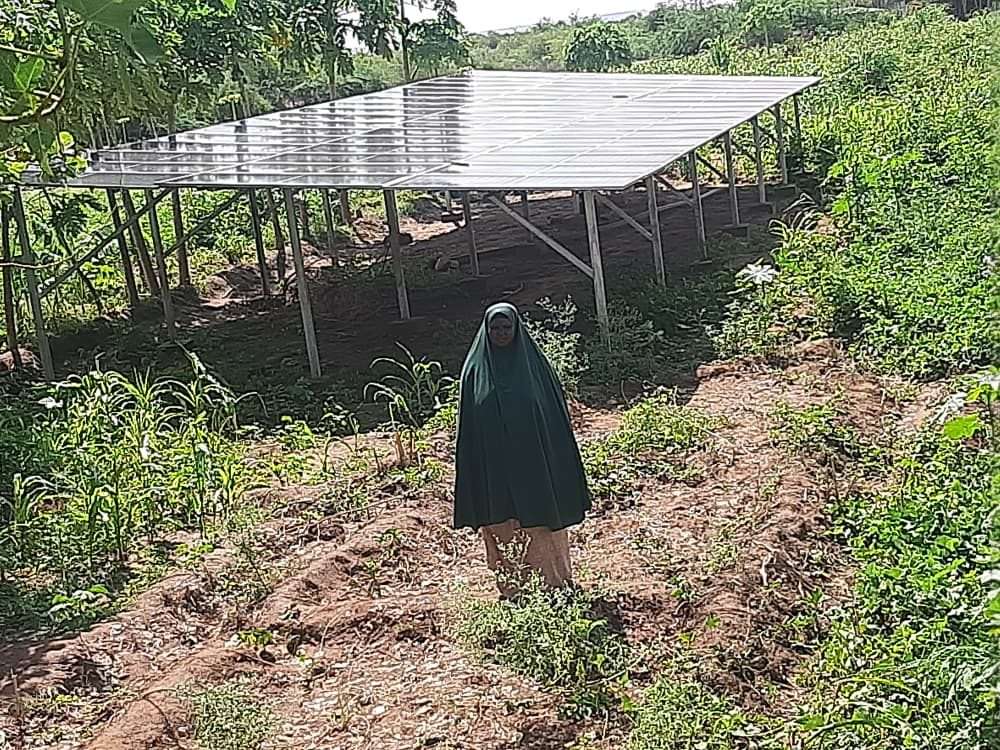 Solar irrigation · Concern WorldwideWater, Light and HopeFuel costs once decided whether her crops lived. Now the sun does the pumping.Hawa · Bantaal village, Gedo
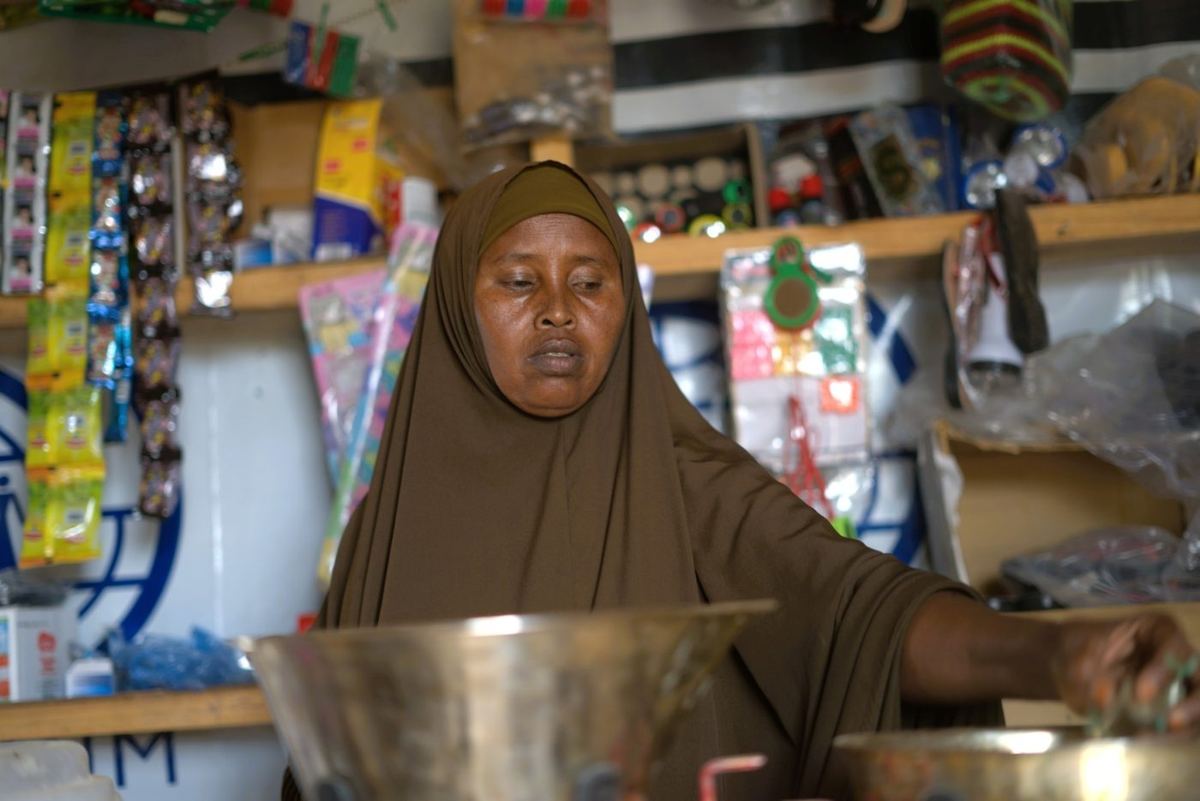 BRCiS III · FCDOFrom Despair to HopeA mother of six who once chose which child ate. Today she chairs her savings group.Fatuma Ibrahim Noor, 38 · Shimbirole East, Bardhere
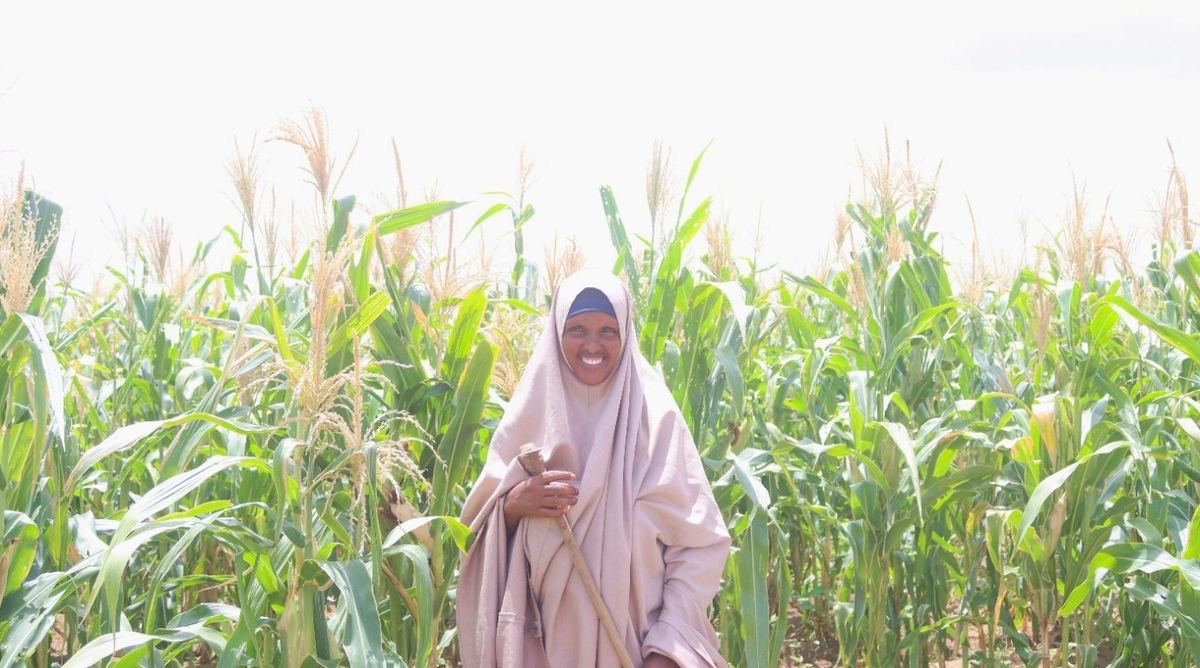 BRCiS IIIFrom Loss to ResiliencePastoralists who lost every animal to drought. Farming was a language she had to learn.Hawa Abdiladif Adan, 37 · Shimbirole East, Bardhere
These Results Are Repeatable
Fund the programmes that produced them.