
From Despair to Hope
Floods took Fatuma's farm, her livestock and two hectares of land in a single night. Four connected interventions later, she chairs her savings group and runs her own shop.
Fatuma Ibrahim Noor, 38Shimbirole East, BardhereJune 2025
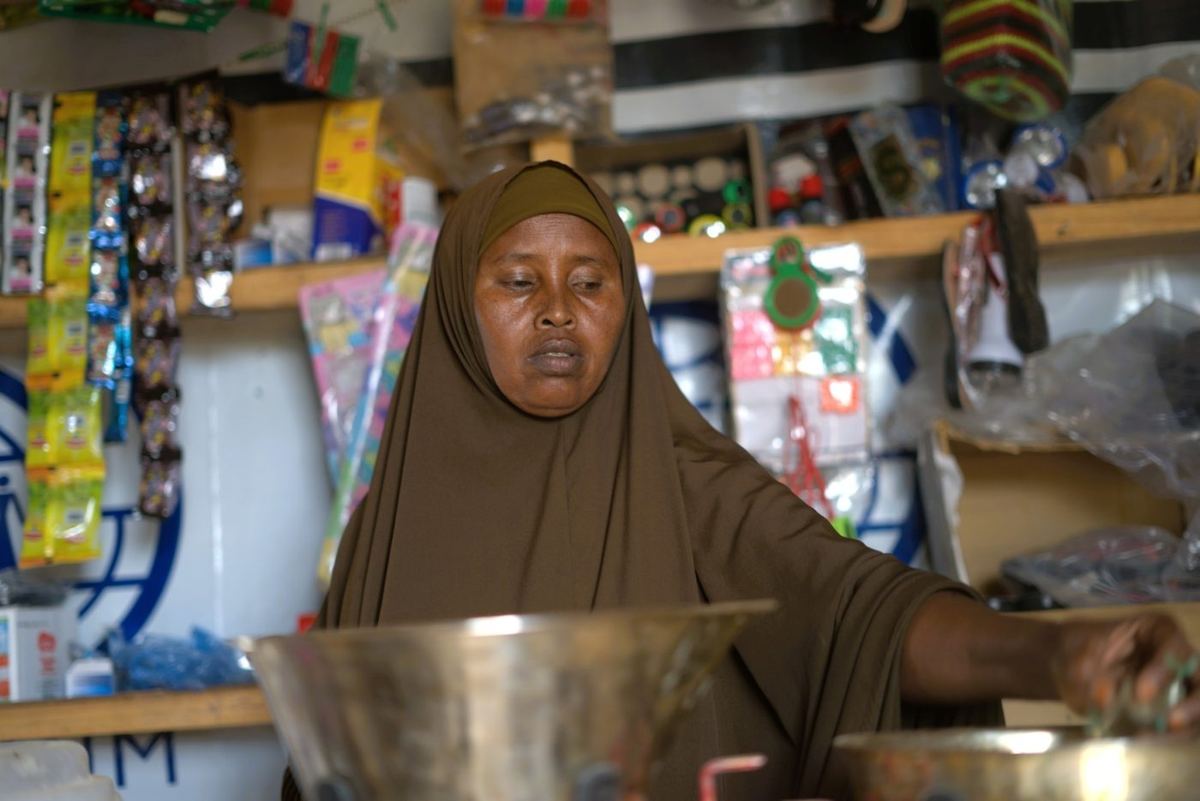
In Shimbirole East, a village on the outskirts of Bardhere district, Fatuma Ibrahim Noor is raising six children. Her eldest, eighteen, once had to support the family. Her youngest, six, often went to bed hungry.
“There were days we ate once, and some days we had to choose who eats and who sleeps hungry.”
Fatuma Ibrahim Noor
Fatuma and her husband are small-scale farmers who have absorbed the full force of Somalia's climate crisis. Recurring droughts, punctuated by destructive floods, stripped away everything they relied on. In one night, floodwater swept off their entire crop, their livestock and the two hectares of farmland that had sustained them for years.
“Everything was gone. I had no income, no clean water, and no way to support my children. There was a time I considered leaving everything behind and joining the IDPs in Bardhere. That's how broken I was.”
Fatuma Ibrahim Noor
Bardhere sits in the riverine belt of southern Somalia, where communities dependent on agriculture and livestock face shock after shock — flash floods, then prolonged drought. The El Niño floods of November 2023 were particularly severe, displacing families, destroying farms and cutting off access to clean water.
Four interventions, one household
Fatuma was enrolled not in one but four connected components of the BRCiS III programme — a resilience initiative funded by the FCDO and implemented by Lifeline Gedo in partnership with Concern Worldwide across Bardhere and Belet Xaawo.
In June 2024 she became one of twenty women forming a Self-Help Group in Shimbirole. The group trains its members in savings, financial management and small business skills.
“I had never held savings before. Now, I am saving weekly with my sisters in the group. We attended several trainings — on group dynamics, record-keeping, and how to run a small business. After one year, we received our first grant of $4,000.”
Fatuma Ibrahim Noor
Fatuma now chairs that group, and plans to take a loan to expand the grocery shop where she sells vegetables from her own farm. “I never imagined I could be the one helping others,” she says. “Today I am a leader.”
Earlier, in January 2024, her household was among those supported with the construction of a latrine, addressing a sanitation problem the village had lived with for years. A water treatment unit followed in Shimbirole.
“For years, we used the bushes. The latrine gave us back our dignity. Before the water unit, we used to walk over a kilometre to fetch dirty river water. Now we drink clean, safe water. My children no longer suffer from diarrhoea and waterborne diseases.”
Fatuma Ibrahim Noor
She was also selected as one of twenty-five producer cooperative members supported with farming inputs — onion, maize and cowpea seed, irrigation fuel, tractor services and tools. “We had land but no tools. The project gave us everything. Now I harvest and sell, and I feed my children healthy food from my own soil.”
A garden at the door
Fatuma went on to complete training in climate-smart agriculture, including Resilience Design, permagardening and home gardening. With tap water newly installed at the house, she put the training straight to work in a small garden outside her door.
“Now that I have water at home, I use what I learned. I grow all the vegetables we need — kosta, coriander leaf, lettuce, carrot, maize, and more. I don't need to go to the market for food every day. My children eat fresh, and I save money. This water changed everything.”
Fatuma Ibrahim Noor
Her husband, once out of work, is farming again. The children are back in madrasa. For the first time in years, the family is saving.
“I was broken, forgotten. I had no hope. This project gave me my life back. Now, I stand tall — not just as a mother, but as a leader and a farmer again.”
Fatuma Ibrahim Noor
Other stories
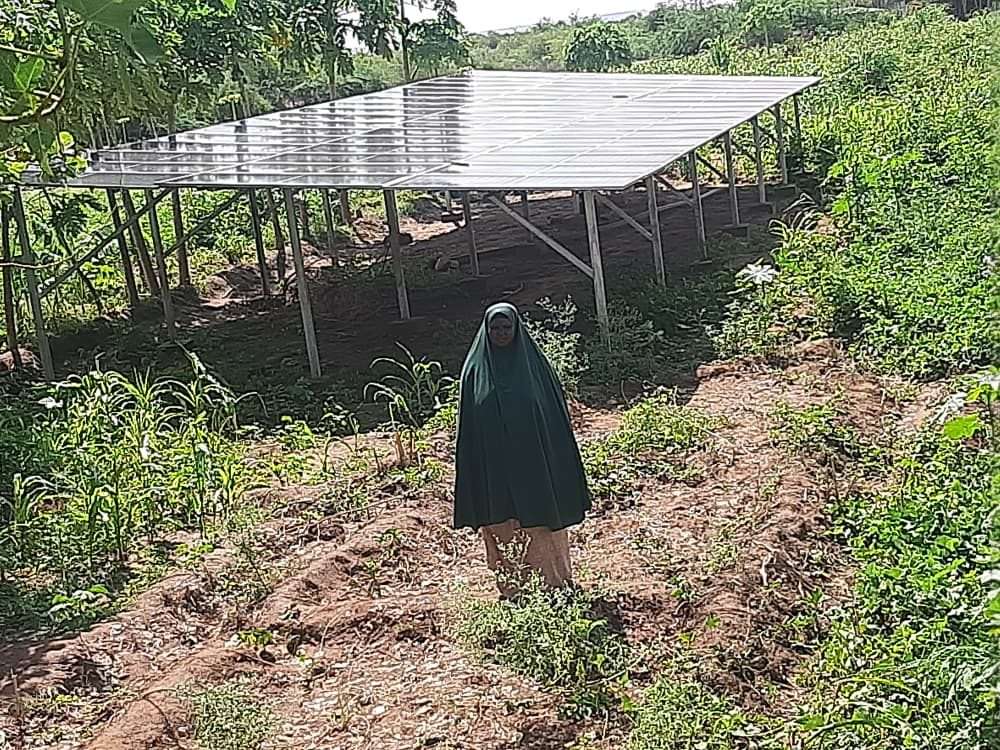 Solar irrigation · Concern WorldwideWater, Light and HopeFuel costs once decided whether her crops lived. Now the sun does the pumping.Hawa · Bantaal village, Gedo
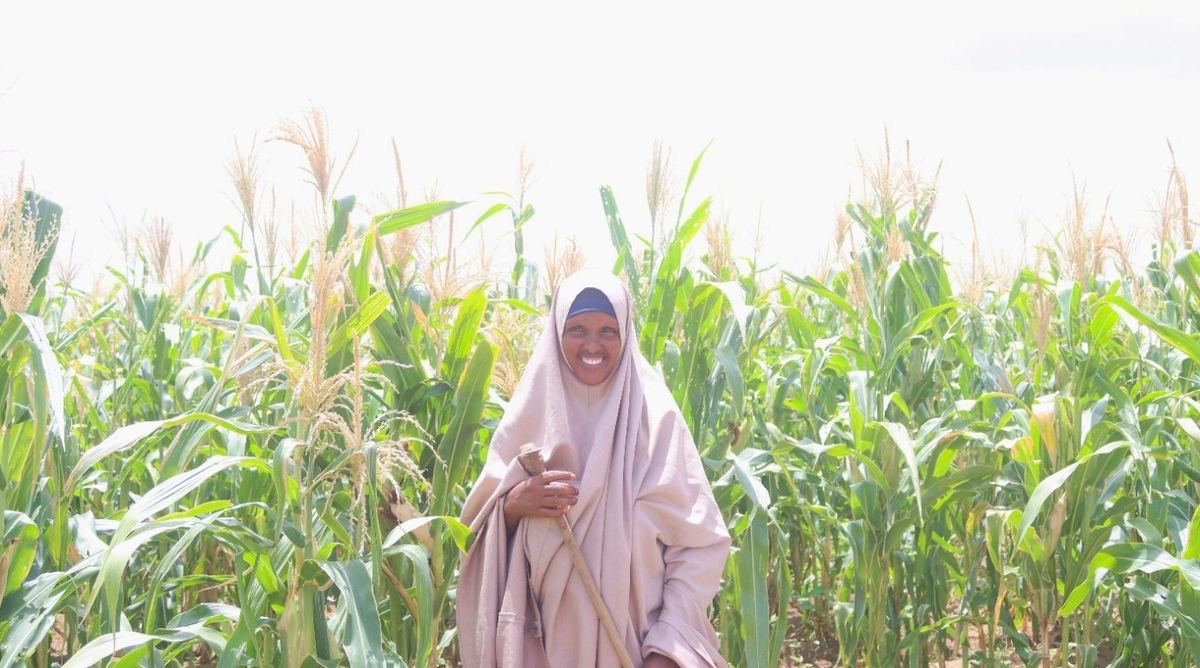 BRCiS IIIFrom Loss to ResiliencePastoralists who lost every animal to drought. Farming was a language she had to learn.Hawa Abdiladif Adan, 37 · Shimbirole East, Bardhere
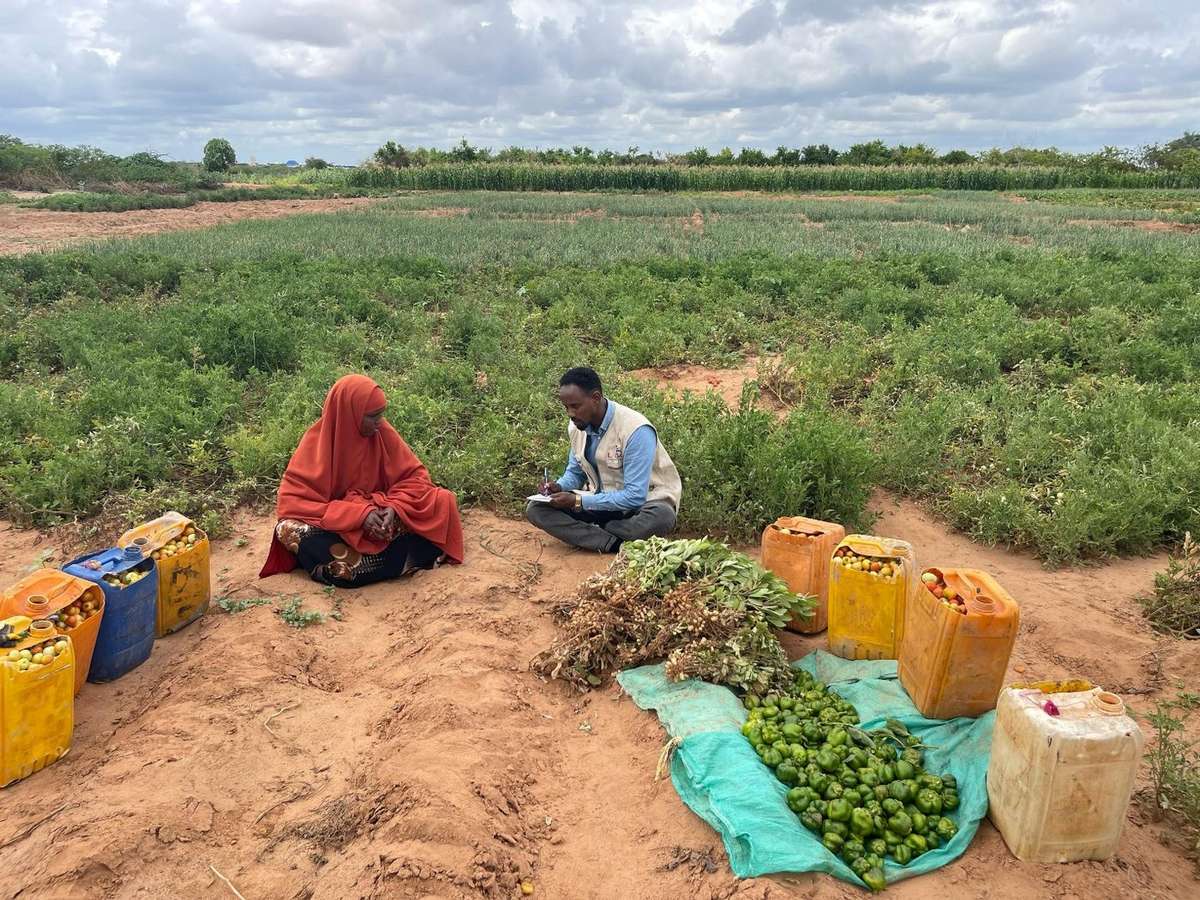 BRCiS III · FCDORebuilding a Farm the Floods BuriedTwo hectares buried under flood debris. She was one of ten women who brought the land back.Fatuma Abdullahi Abdirahman, 37 · Bandar, Bardhere
These Results Are Repeatable
Fund the programmes that produced them.