
A Farmer Again
The El Niño floods destroyed Abdiyo's farmland and much of her herd. A Farmer Field School put seed, fuel and technique back in her hands.
Abdiyo Hussein Muse, 32Oda, Belet XaawoApril 2025
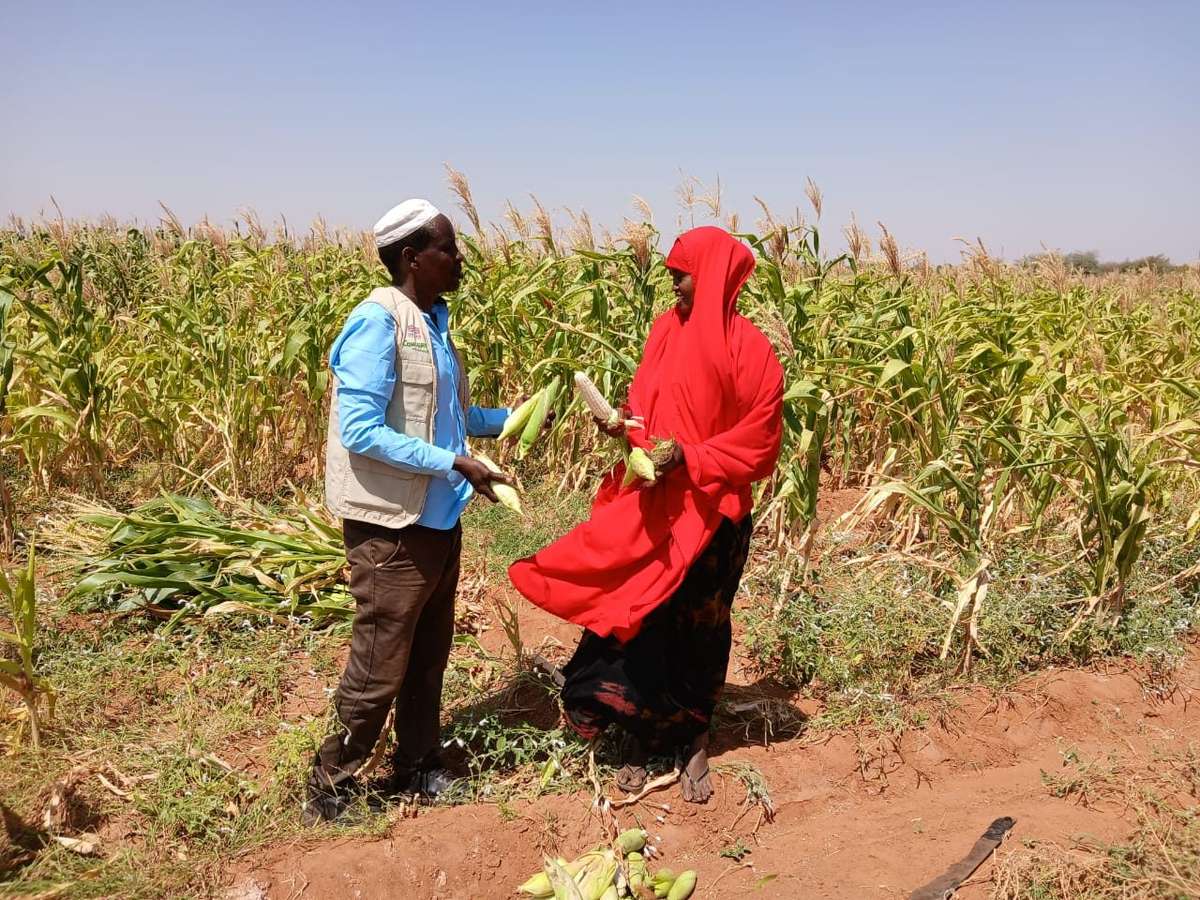
Abdiyo Hussein Muse is an agro-pastoralist and a mother of seven in the rural village of Oda, in Belet Xaawo district. For years she sustained the family through small-scale farming and livestock — until the El Niño floods of 2023 destroyed her farmland and killed a significant share of her animals.
The seasons that followed brought little or no rain, leaving the land dry and unproductive. Like many farmers around her, Abdiyo found herself caught in a cycle of poverty, food insecurity and hopelessness.
“When the floods came in 2023, everything I worked for was washed away. My small farm was destroyed, my goats got sick, and I had nothing left to feed my children. We stayed hungry for many days.”
Abdiyo Hussein Muse
The Farmer Field School
Lifeline Gedo, in partnership with Concern Worldwide through the BRCiS project, ran a Farmer Field School in Oda to rebuild resilience and restore livelihoods through practical training, agricultural inputs and irrigation support. Abdiyo was among those selected. She received 20kg of maize seed, 5kg of cowpea seed and half a kilo of onion seed, along with 80 litres of fuel for irrigation and three hours of mechanised land preparation.
The training gave her sustainable farming practice, pest management and soil conservation technique. Applying improved cultivation methods, she raised her yield sharply — and for the first time in years harvested maize, cowpeas and onions in quantity enough to feed the household and sell the surplus.
“But when LLG came to our village, they selected me for the Farmer Field School. I received seeds, fuel, and help to prepare my land. They trained us on how to plant properly and protect our crops from pests. That changed everything for me.”
Abdiyo Hussein Muse
“Now, my land is producing again. I harvested good maize and onions, and I sold some in the market. I can buy clothes and books for my children, and we are no longer worried about what to eat tomorrow. I feel proud to be a farmer again. I now want to teach others what I've learned.”
Abdiyo Hussein Muse
Her income improved and the household no longer depends on food aid to meet its basic needs. With that stability, Abdiyo has become a point of reference for other women farmers in Oda — the ripple effect the Farmer Field School model is designed to produce.
Other stories
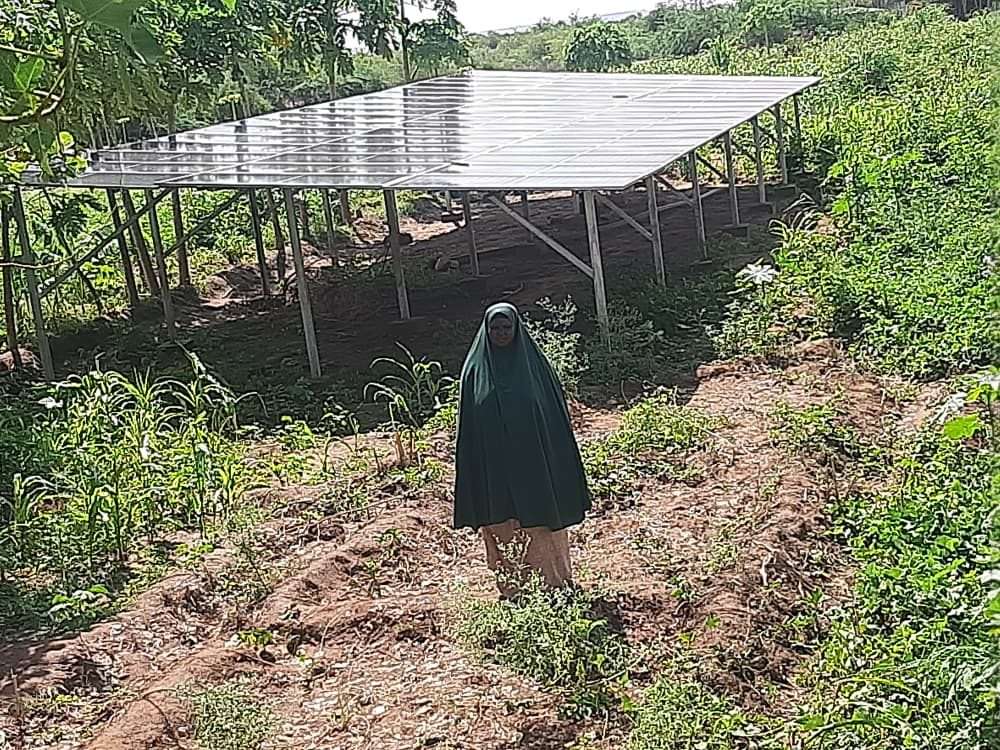 Solar irrigation · Concern WorldwideWater, Light and HopeFuel costs once decided whether her crops lived. Now the sun does the pumping.Hawa · Bantaal village, Gedo
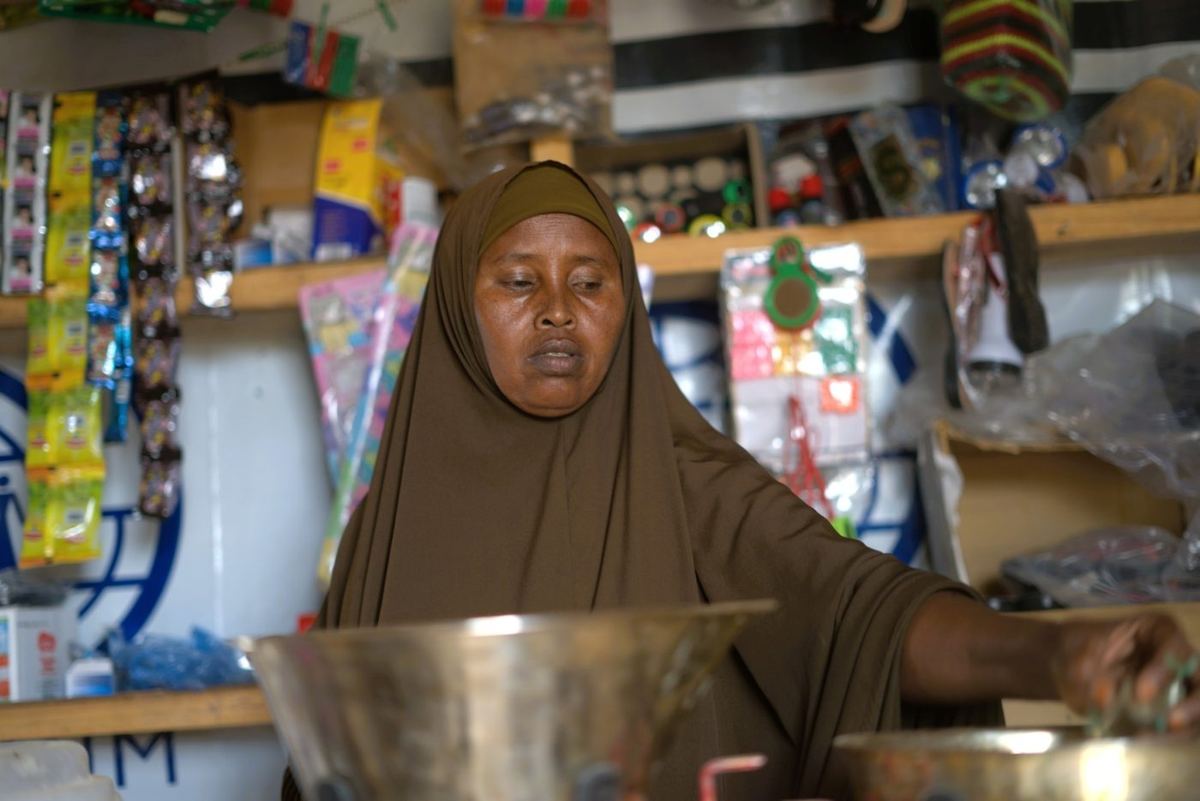 BRCiS III · FCDOFrom Despair to HopeA mother of six who once chose which child ate. Today she chairs her savings group.Fatuma Ibrahim Noor, 38 · Shimbirole East, Bardhere
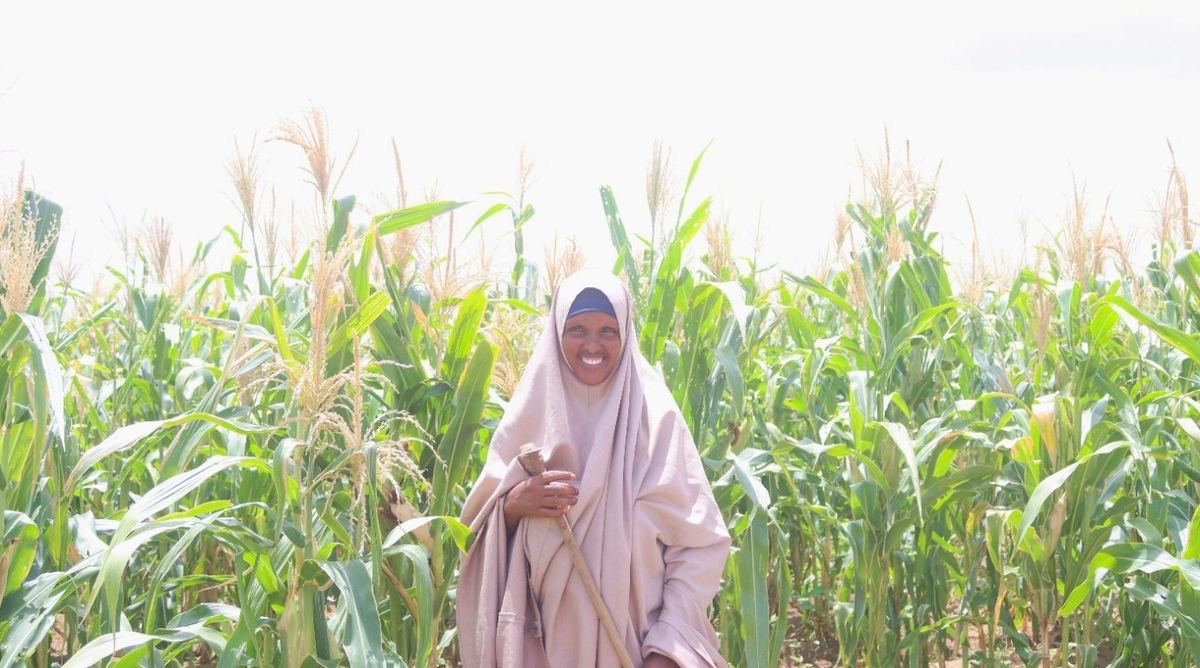 BRCiS IIIFrom Loss to ResiliencePastoralists who lost every animal to drought. Farming was a language she had to learn.Hawa Abdiladif Adan, 37 · Shimbirole East, Bardhere
These Results Are Repeatable
Fund the programmes that produced them.