
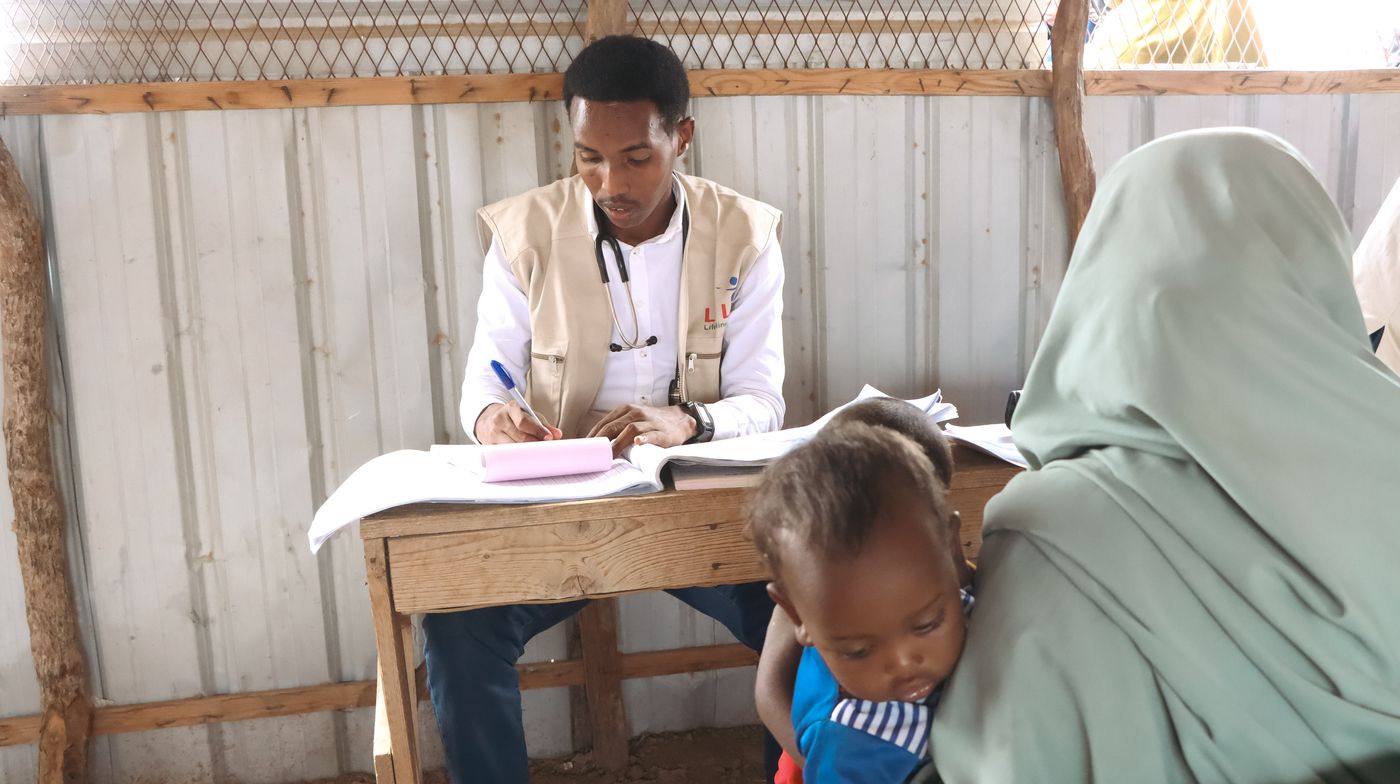
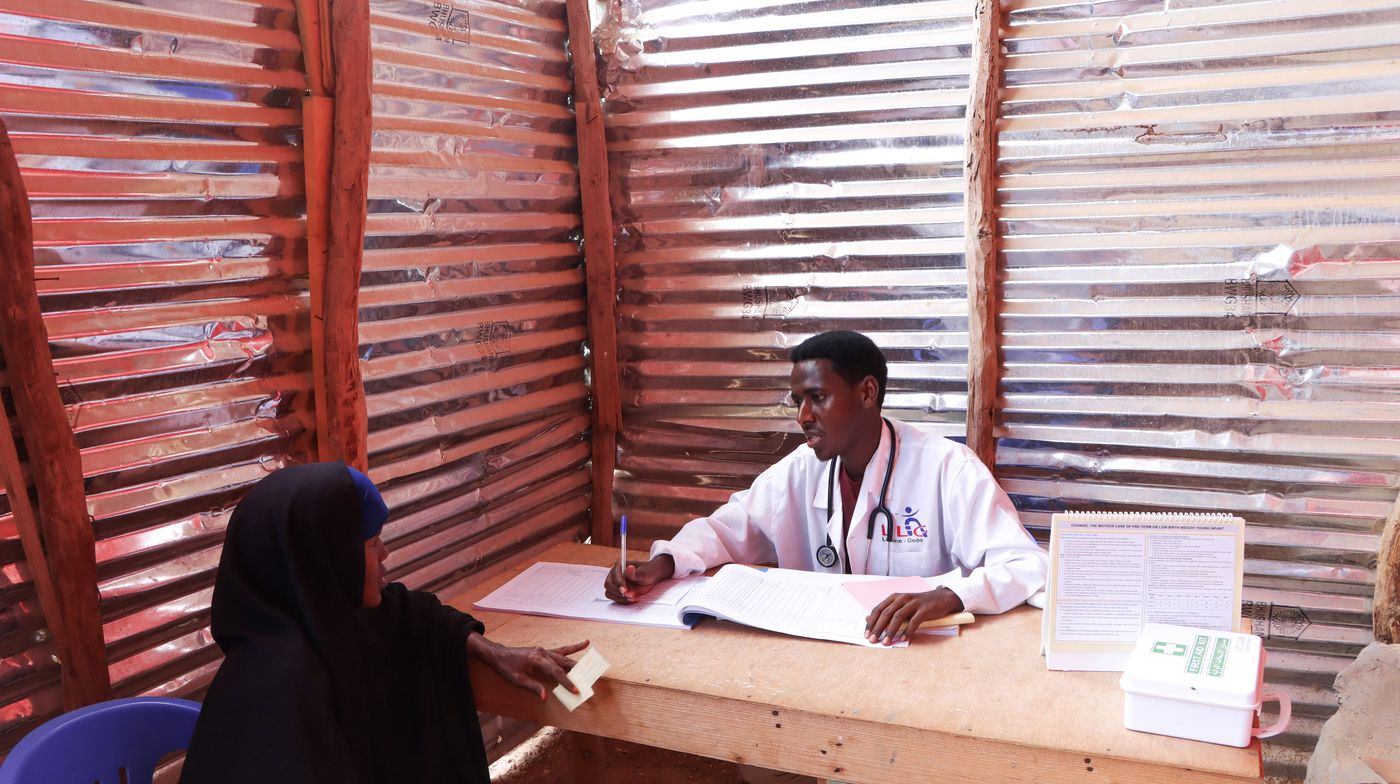
Four Bales, and a Herd That Held
At 67, Tamima gave up crops after the floods and staked everything on livestock. When the rangelands went bare, locally produced fodder kept her animals standing.
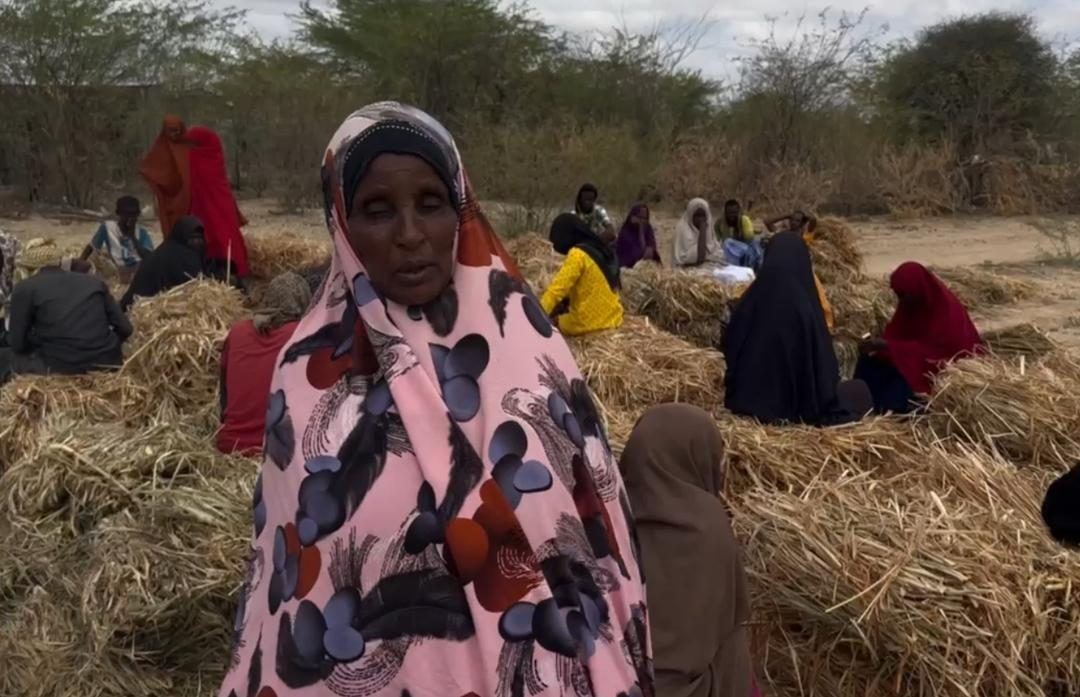
Tamima Adan Abdirahman, 67Bulacadey, BardhereMarch 2025
Gedo, and Bardhere district in particular, has absorbed decades of recurrent shock — armed conflict, prolonged drought, devastating flood. Drought remains the most persistent of them. For agro-pastoralists, the loss of arable land and grazing has meant deepening poverty and large-scale livestock depletion.
One response under BRCiS III took a deliberately local route: Lifeline Gedo, with Concern Worldwide, contracted eighteen farmers in Bardhere and Belet Xaawo to grow fodder, which was then distributed to 450 pastoralist households — softening the impact of drought while encouraging rangeland regeneration and putting the production income into local hands.
A herd instead of a harvest
Tamima Adan Abdirahman is 67 and lives in Bulacadey with her daughter and four grandchildren. She was once an active farmer. After the 2023 floods destroyed her farmland she abandoned crop cultivation altogether and turned to livestock, and now keeps 24 cows and 27 goats, helped by her grandchildren with the herding, selling milk locally to provide for the family.
“After the disaster in 2023, I lost everything in my farm. There was nothing left to go back to, so I decided to rely fully on my livestock to support my grandchildren and my daughter. But it's not easy. Drought after drought has left our rangelands bare, and feeding animals becomes a constant worry. When there's no grass, animals get weak and fall sick. The markets are unstable, and fodder prices are high — sometimes beyond what we can afford. These are the daily challenges we live with as pastoralists.”
Tamima Adan Abdirahman
On 17 March 2025 she received four 45kg bales of Sudan Grass — at a point when buying maize or sorghum hay had become both difficult and expensive.
“This is not the first time LLG has provided us with Sudan Grass, and I know how beneficial it is. It gives my cows the protein they need to stay healthy. Receiving these four bales helped me save money that I would have spent on expensive fodder. It's a big relief for families like mine. We were also trained on how to grow our own fodder, and I hope to one day be able to produce enough on my own.”
Tamima Adan Abdirahman
The pairing matters: emergency livestock feed keeps animals alive through the worst of a season, while the production training moves households toward growing their own. Both together are what turns a distribution into resilience.
Other stories
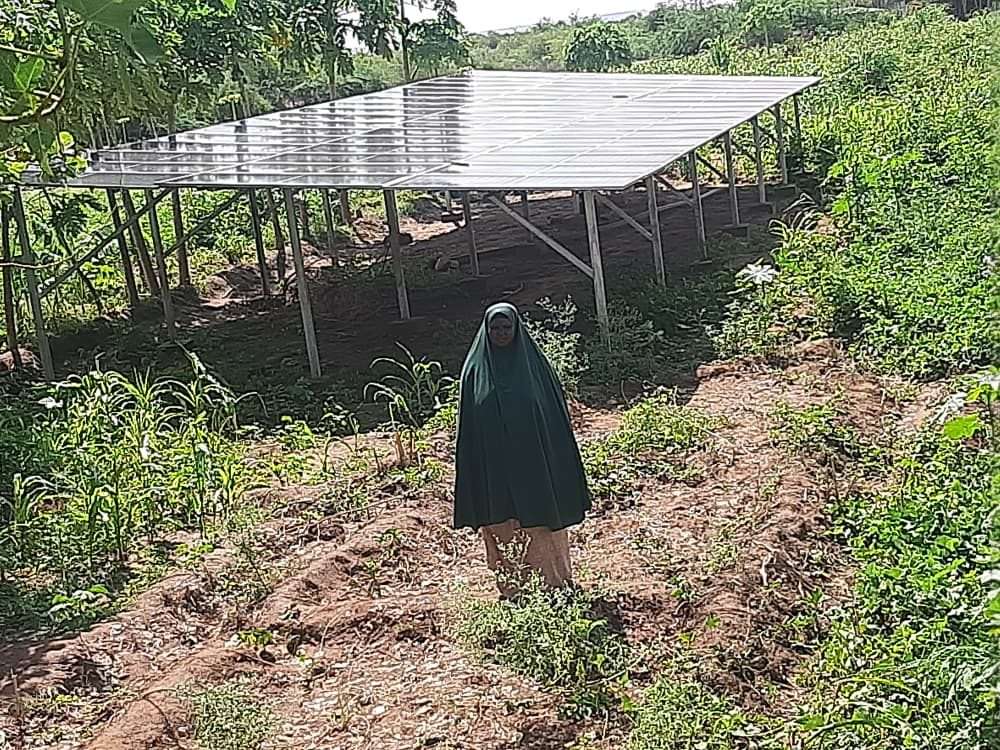 Solar irrigation · Concern WorldwideWater, Light and HopeFuel costs once decided whether her crops lived. Now the sun does the pumping.Hawa · Bantaal village, Gedo
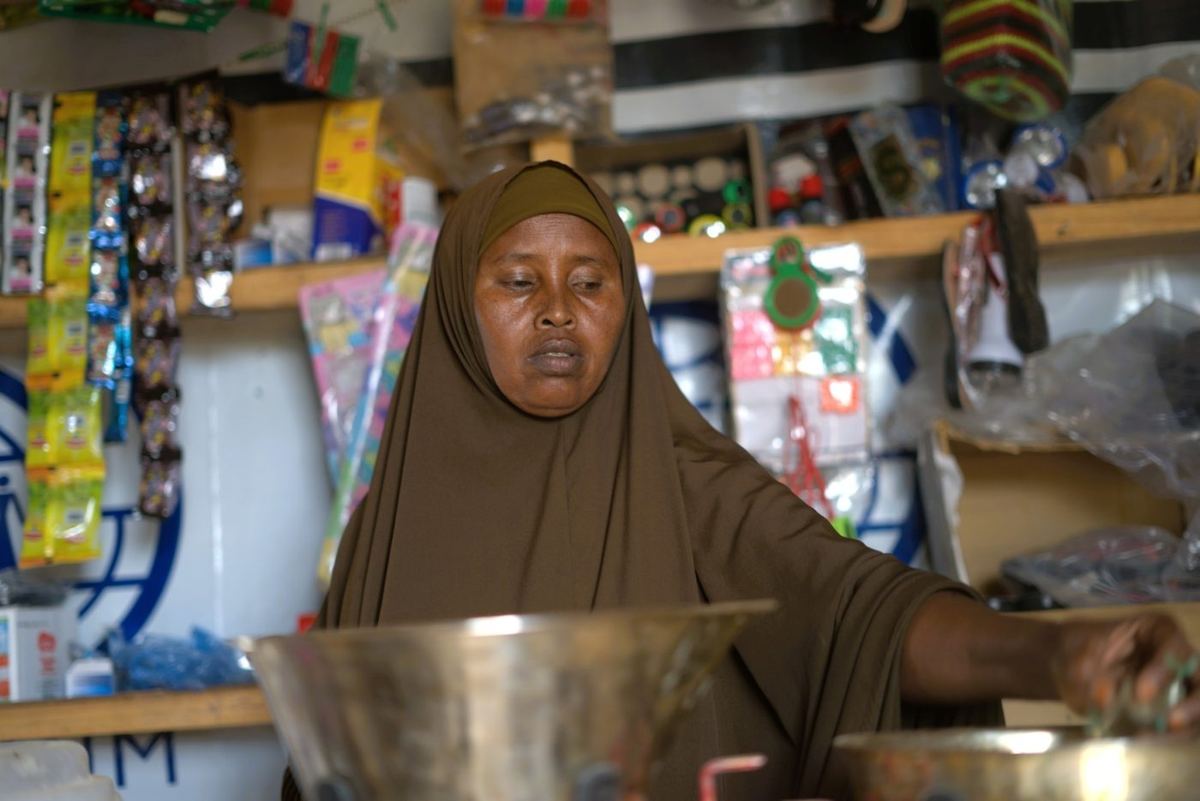 BRCiS III · FCDOFrom Despair to HopeA mother of six who once chose which child ate. Today she chairs her savings group.Fatuma Ibrahim Noor, 38 · Shimbirole East, Bardhere
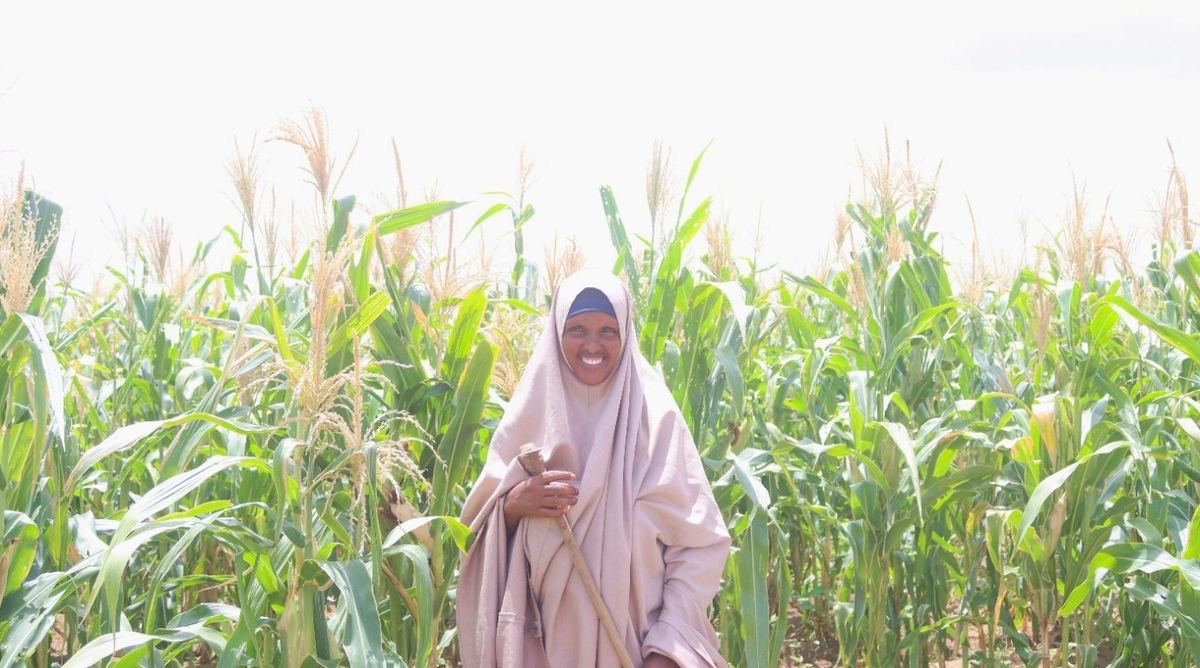 BRCiS IIIFrom Loss to ResiliencePastoralists who lost every animal to drought. Farming was a language she had to learn.Hawa Abdiladif Adan, 37 · Shimbirole East, Bardhere
These Results Are Repeatable
Fund the programmes that produced them.