
Rebuilding a Farm the Floods Buried
The 2023 floods left Fatuma's two hectares under debris and sand. Tractor hours, seed and fuel brought the land back — and jerrycans of tomatoes at $6 each.
Fatuma Abdullahi Abdirahman, 37Bandar, BardhereMarch 2025
Bandar is a riverine community three kilometres from Bardhere town, where eighty-five per cent of the population depends on farming. Despite the devastating floods of November 2023 and the drought that followed, its people still live off the land.
Fatuma Abdullahi Abdirahman farms there with her husband and raises seven children. The floods severely damaged her two-hectare farm, leaving debris and sandy soil that made recovery difficult. With determination and support she restored much of it, and became one of ten women selected for a practical approach to strengthening farmer resilience through Resilience Design in smallholder farming systems and permagardens.
What the support consisted of
Fatuma and her group of five farmers received extensive training from Lifeline Gedo in Resilience Design — improving soil health, conserving water and maximising productivity in spite of climate shocks. Alongside the training came a full agricultural package: half a kilo of white onion seed, ten kilos of maize, 750g of okra, a kilo of garlic, half a kilo of lettuce, 750g of tomatoes, 750g of green pepper and five kilos of cowpeas; fuel to keep irrigation running through the dry period; and tractor hours for the land preparation the flood damage had made essential.
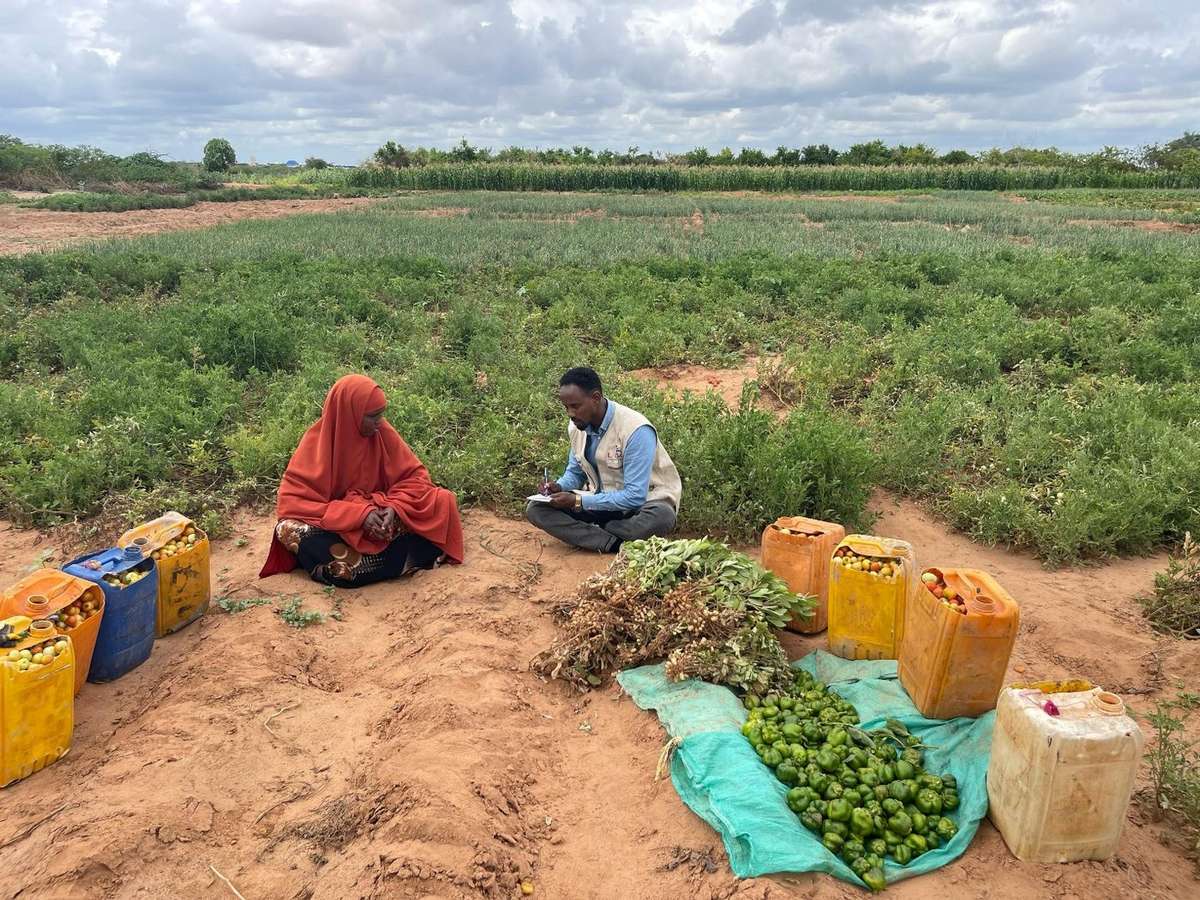
At harvesting stage her field was thriving with tomatoes, groundnuts and white onions.
“As you can see, these jerrycans are full of tomatoes, and each one sells for $6 in the market right now — it's the perfect time to harvest. White onions are also doing well, selling for $1.50 to $2 per kilogram. Thanks to LLG, my family is more financially stable, and we have food on the table from the maize and cowpea harvests. The tractor hours they provided were a lifeline after the floods, and the fuel for irrigation was essential in restoring my farm.”
Fatuma Abdullahi Abdirahman
“Being a small-scale farmer is not easy; we face so many challenges, like drought, floods, pests, and diseases. Without support, it's incredibly hard to succeed. If it weren't for LLG, I don't think I would have overcome these obstacles. They gave me hope and the means to keep going.”
Fatuma Abdullahi Abdirahman
Fatuma's experience shows how targeted agricultural support — inputs, training and mechanisation together — lets smallholders keep farming through recurrent drought and flood rather than abandoning the land.
Other stories
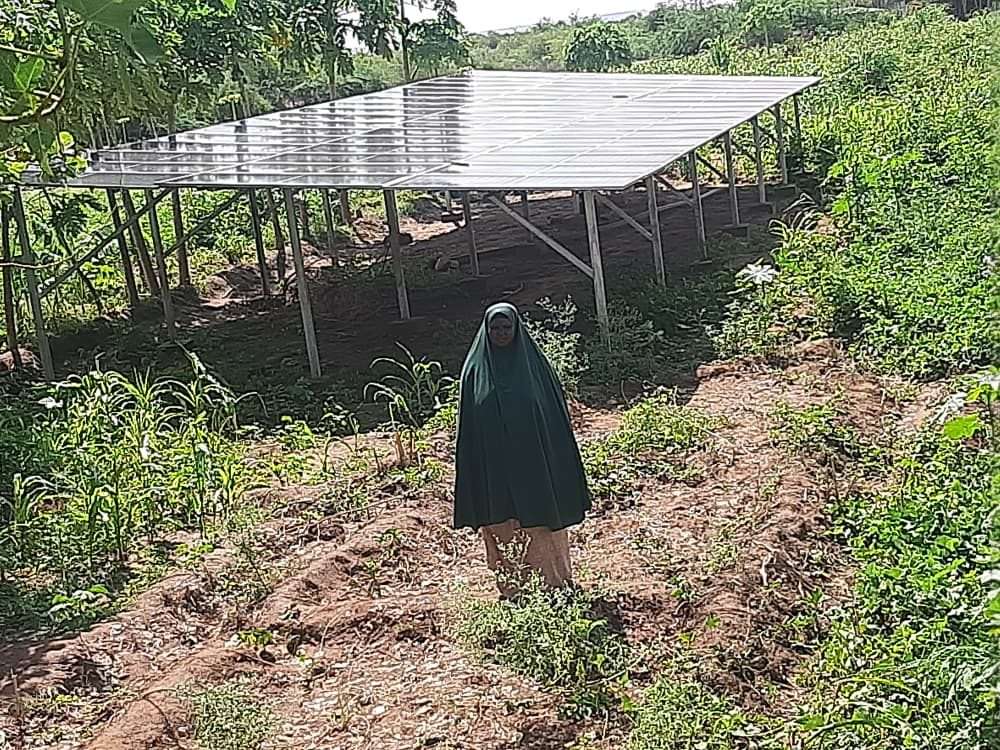 Solar irrigation · Concern WorldwideWater, Light and HopeFuel costs once decided whether her crops lived. Now the sun does the pumping.Hawa · Bantaal village, Gedo
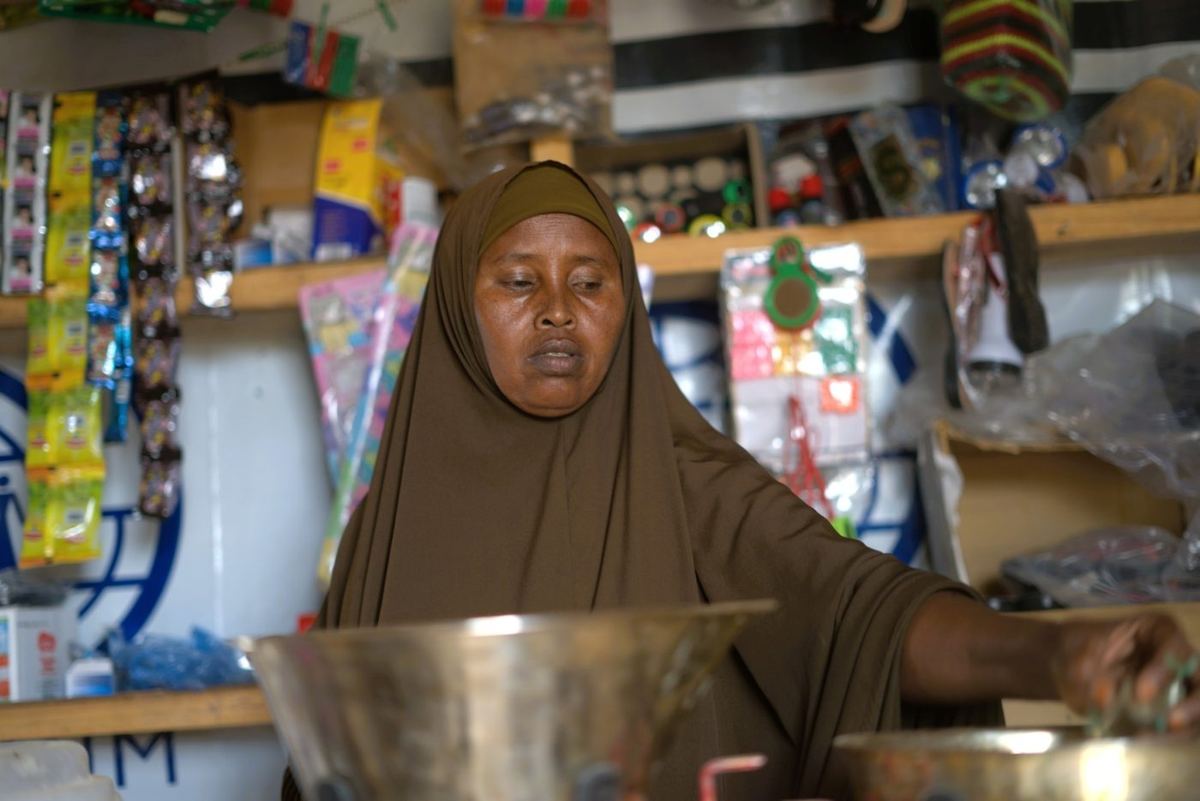 BRCiS III · FCDOFrom Despair to HopeA mother of six who once chose which child ate. Today she chairs her savings group.Fatuma Ibrahim Noor, 38 · Shimbirole East, Bardhere
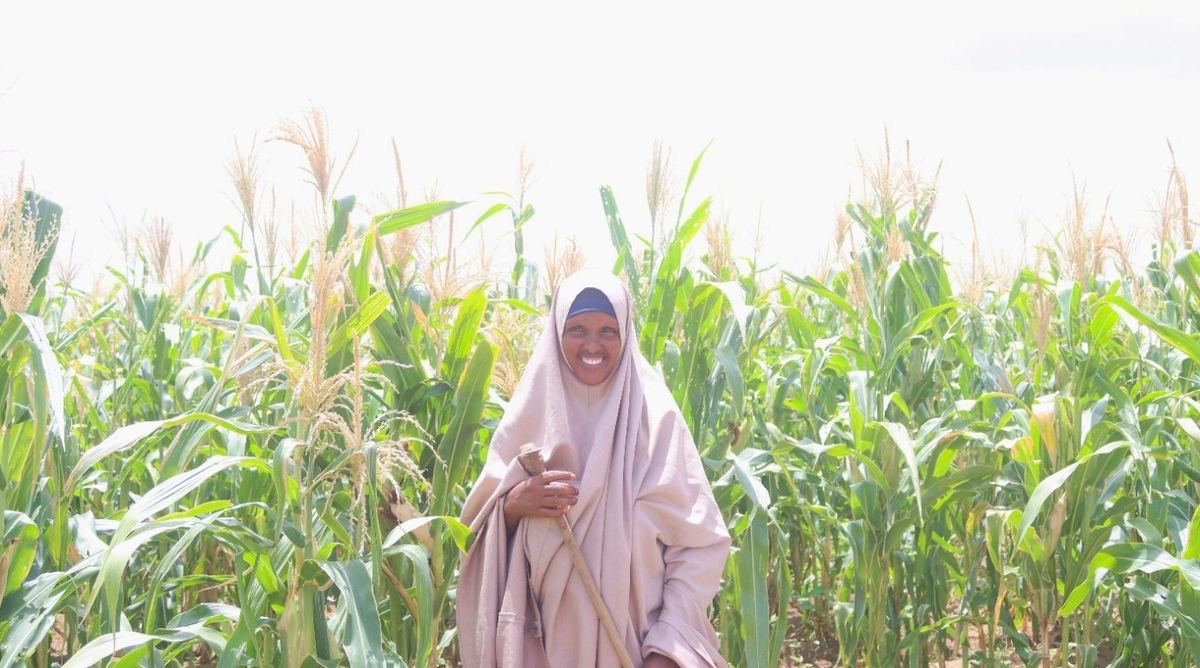 BRCiS IIIFrom Loss to ResiliencePastoralists who lost every animal to drought. Farming was a language she had to learn.Hawa Abdiladif Adan, 37 · Shimbirole East, Bardhere
These Results Are Repeatable
Fund the programmes that produced them.